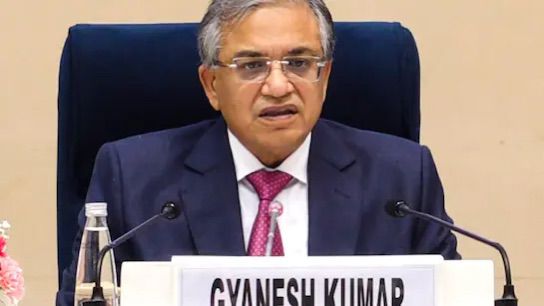
New Delhi: A group of opposition lawmakers has initiated a move to seek the removal of Chief Election Commissioner Gyanesh Kumar, with a total of 193 Members of Parliament signing a notice supporting the action. The signatures include 130 MPs from the Lok Sabha and 63 MPs from the Rajya Sabha, comfortably exceeding the minimum requirement needed to submit such a motion.
Under parliamentary rules, at least 100 MPs from the Lok Sabha or 50 MPs from the Rajya Sabha must sign a notice to initiate the process of removing the Chief Election Commissioner. Sources indicated that the notice is expected to be formally submitted in one of the Houses of Parliament, though it remains unclear which chamber will take it up first.
Lawmakers from several parties within the opposition alliance have backed the move. The signatures reportedly include members from parties associated with the INDIA bloc as well as representatives of the Aam Aadmi Party, which is no longer formally part of the alliance but still supported the initiative.
This marks the first time a notice has been brought forward seeking the removal of a Chief Election Commissioner. The document reportedly outlines seven allegations against Kumar, including accusations of partisan behaviour in office, obstructing investigations related to electoral irregularities, and actions leading to large scale voter disenfranchisement. Opposition leaders have also claimed that his decisions have benefited the ruling Bharatiya Janata Party during key electoral processes.
Concerns have also been raised over the ongoing Special Intensive Revision of electoral rolls, particularly in West Bengal. Mamata Banerjee, chief minister of the state, has alleged that genuine voters are being removed from the rolls during the exercise.
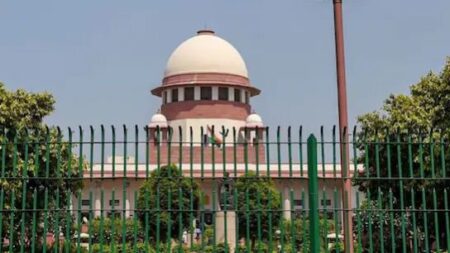
The process for removing the Chief Election Commissioner follows the same constitutional procedure as the impeachment of a judge of the Supreme Court of India. As stated in Article 324(5) of the Constitution, the CEC can only be removed on grounds of proven misbehaviour or incapacity.
If the motion is admitted, a committee consisting of a Supreme Court judge, a chief justice from one of the high courts, and a distinguished jurist will investigate the charges. Following the inquiry, the report will be presented to Parliament, where both Houses must pass the motion with a special majority for the removal to take effect.