

















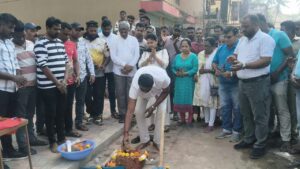



Talent Development Centre Nears Completion; IGNOU Seeks Land for Regional Centre at FarmagudiMarch 7, 2026
Curchorem BJP Yuva Morcha Seeks District HQ Status for Curchorem in New Kushavati DistrictJanuary 10, 2026
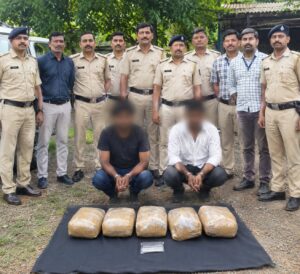
Liquor Seizure in Maharashtra Raises Questions on Goa Excise, Says MLA Carlos FerreiraDecember 20, 2025
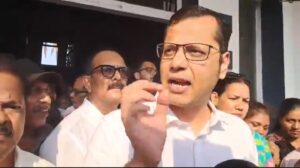
Local News *”BJP Govt’s Silence Forced Mirabag Protesters to Act:” Vijai Sardesai Stands Strong With Protestors*By Team AdminMarch 7, 2026
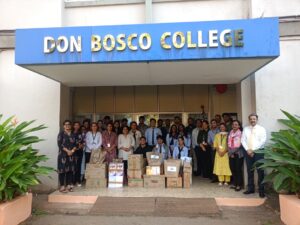
DBC Panjim Students, Faculty Spread Christmas Cheer Through Outreach Drive Across GoaDecember 25, 2025
Talent Development Centre Nears Completion; IGNOU Seeks Land for Regional Centre at FarmagudiMarch 7, 2026
“Empowering Women Entrepreneurs”: WTC Goa Launches Two New Business Initiatives Business News March 7, 2026
“Up To 85% Compensation For Digital Fraud”: RBI Unveils Draft Customer Protection SchemeMarch 7, 2026
“AI Must Empower Citizens”: Goa Begins Work On Comprehensive Artificial Intelligence PolicyMarch 6, 2026
Talent Development Centre Nears Completion; IGNOU Seeks Land for Regional Centre at Farmagudi Goa News March 7, 2026
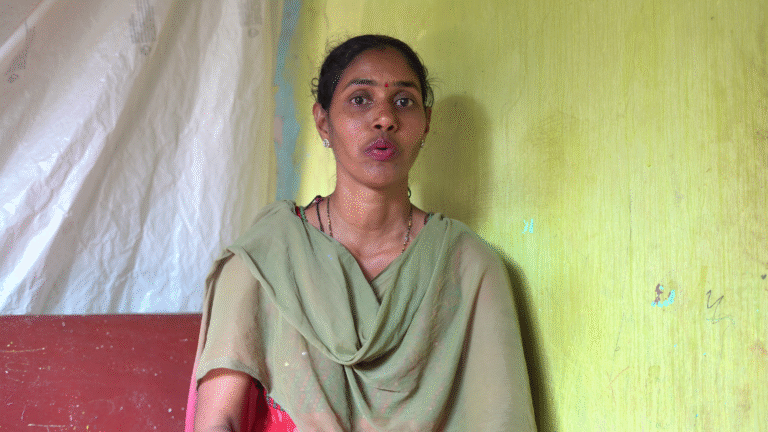
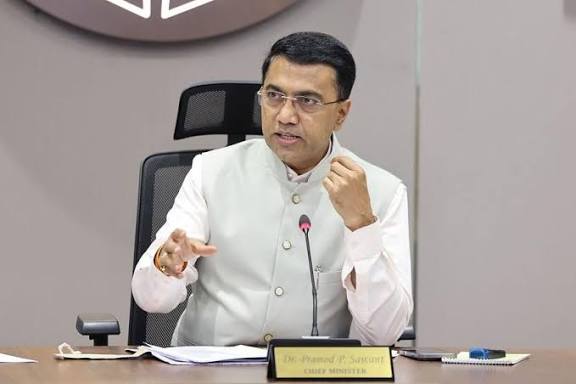
“To begin with, the concerns of villagers and activists opposing the dam cannot simply be dismissed. Development projects, especially large water infrastructure, inevitably bring difficult trade offs. While governments argue such projects are necessary for long term water security, people living in the affected areas worry about displacement, loss of homes and ecological damage. These anxieties are neither irrational nor illegitimate. In any democracy, citizens have the right to question projects that may alter their lives and landscapes. Yet, the method of protest used inside the Assembly is difficult to justify. A legislature is not a street corner or a public rally ground. It is the state’s highest deliberative body where elected representatives debate and decide policy. The visitors’ gallery exists so citizens can observe the proceedings of their government, not intervene in them.” Protest, Privilege and the Limits of Assembly Decorum The brief disruption inside the Goa Legislative Assembly by protesters opposing the proposed Zuari dam has sparked a debate that goes beyond a single incident. At its core are larger questions about democratic dissent, institutional sanctity and the responsibility of those in power. A group of protesters in the visitors’ gallery raised slogans and displayed placards against the project, forcing the Assembly to halt proceedings briefly. Security personnel removed them and they were detained. Chief Minister Pramod Sawant reacted strongly, describing the act as a “terrorist kind of attitude” and calling for strict action. The episode deserves careful reflection rather than instant outrage. To begin with, the concerns of villagers and activists opposing the dam cannot simply be dismissed. Development projects, especially large water infrastructure, inevitably bring difficult trade offs. While governments argue such projects are necessary for long term water security, people living in the affected areas worry about displacement, loss of homes and ecological damage. These anxieties are neither irrational nor illegitimate. In any democracy, citizens have the right to question projects that may alter their lives and landscapes. Yet, the method of protest used inside the Assembly is difficult to justify. A legislature is not a street corner or a public rally ground. It is the state’s highest deliberative body where elected representatives debate and decide policy. The visitors’ gallery exists so citizens can observe the proceedings of their government, not intervene in them. Allowing demonstrations from the gallery would set a dangerous precedent. If one group can shout slogans inside the Assembly today, another group with a different cause might attempt the same tomorrow. Soon the chamber could become vulnerable to disruptions that undermine the very process of democratic decision making. Security considerations alone make such acts unacceptable. The Assembly must remain a controlled and orderly space. That said, the government’s reaction has also raised uncomfortable questions. Describing the protesters as terrorists or likening their behaviour to terrorism is a serious exaggeration. Terrorism involves violence, intimidation and threats to life. What happened in the Assembly was a breach of decorum and security, not an act of terror. Political leaders must be careful with their language. When dissenters are casually labelled as terrorists, it weakens democratic discourse and turns political disagreement into criminal suspicion. Governments have every right to enforce rules and maintain order. Those who disrupt the Assembly can face legal consequences for violating security protocols. But the state must distinguish between maintaining institutional discipline and demonising dissent. Another important issue is how the protesters entered the visitors’ gallery in the first place. Access to legislative galleries is not random. Visitors typically receive passes issued through legislators or authorised channels. If individuals were able to enter with placards and stage a coordinated protest, the Assembly administration must examine whether there were lapses in screening or oversight. Blaming the protesters alone would ignore this procedural failure. A proper inquiry should establish who recommended the passes and whether security checks were followed. There is also a political dimension that cannot be ignored. In many states, protest movements often have shifting alliances with political parties. Individuals who once supported a party or its leaders sometimes turn into critics when policy decisions affect their communities. Such shifts are part of the messy reality of democratic politics. That complexity, however, should not be used to discredit the substance of their concerns. Even if some protesters once sympathised with the ruling party, their fears about displacement or environmental impact still deserve to be heard. The real challenge for the government lies not in suppressing protests but in addressing the underlying grievances. If the Zuari dam project is essential, the administration must explain its benefits clearly, publish detailed impact assessments and present credible rehabilitation plans for affected families. Transparency is the most effective antidote to suspicion. The Assembly disruption was clearly wrong. Legislative spaces must remain protected from such intrusions. But the response must also remain proportionate. Democracies weaken when institutions lose authority, but they weaken just as much when governments treat dissent as hostility. In the end, both sides crossed a line. Protesters should not have turned the Assembly gallery into a stage for agitation. The government, in turn, should resist the temptation to brand critics as enemies of the state. Democracy survives when institutions remain strong and dissent remains legitimate. Neither should be sacrificed in the heat of political confrontation. Opinion March 7, 2026
Sports Lakshya Sen Storms Into All England Open Semifinals With Dominant Win Over Li Shi FengMarch 7, 2026
Rajasthan Regals Clinch Inaugural PGTI’s 72 The League Title With Dominant Final VictoryMarch 7, 2026
Rosary College and PES Ravi S. Naik College Register Wins on Day Two of Goa University Inter Collegiate Cricket ChampionshipMarch 7, 2026
“How Much More Do We Need?” Suryakumar Yadav Reveals Chat With Harry Brook During ThrillerMarch 6, 2026
“We’re Ready to Align with Like-Minded for CCP Victory and 2027 Goa Polls” – Utpal ParrikarFebruary 21, 2026
Paul John Single Malt Whisky Becomes Official Pouring Partner for ‘Tribute to Human Bondage’ Concert Series in Goa with Air India Express as Travel PartnerJanuary 20, 2026
Goa Tourism set to go technology-driven with focus on wellness and spiritual travel in 2026January 17, 2026
New Concepts to Expand Spiritual, Yoga, Eco, Rural and Sports Tourism: Tourism MinisterJanuary 17, 2026
Zidane’s All Round Brilliance and Pagi’s Century Headline Opening Day of Inter Collegiate ChampionshipMarch 6, 2026
Don Bosco Engineering Clinches Women’s Inter Collegiate Handball Title With Dominant Final WinMarch 6, 2026
Taxi Policy Talks Inconclusive; Committee to Examine Digital Platform Proposal Big Story March 5, 2026
“To begin with, the concerns of villagers and activists opposing the dam cannot simply be dismissed. Development projects, especially large water infrastructure, inevitably bring difficult trade offs. While governments argue such projects are necessary for long term water security, people living in the affected areas worry about displacement, loss of homes and ecological damage. These anxieties are neither irrational nor illegitimate. In any democracy, citizens have the right to question projects that may alter their lives and landscapes. Yet, the method of protest used inside the Assembly is difficult to justify. A legislature is not a street corner or a public rally ground. It is the state’s highest deliberative body where elected representatives debate and decide policy. The visitors’ gallery exists so citizens can observe the proceedings of their government, not intervene in them.” Protest, Privilege and the Limits of Assembly Decorum The brief disruption inside the Goa Legislative Assembly by protesters opposing the proposed Zuari dam has sparked a debate that goes beyond a single incident. At its core are larger questions about democratic dissent, institutional sanctity and the responsibility of those in power. A group of protesters in the visitors’ gallery raised slogans and displayed placards against the project, forcing the Assembly to halt proceedings briefly. Security personnel removed them and they were detained. Chief Minister Pramod Sawant reacted strongly, describing the act as a “terrorist kind of attitude” and calling for strict action. The episode deserves careful reflection rather than instant outrage. To begin with, the concerns of villagers and activists opposing the dam cannot simply be dismissed. Development projects, especially large water infrastructure, inevitably bring difficult trade offs. While governments argue such projects are necessary for long term water security, people living in the affected areas worry about displacement, loss of homes and ecological damage. These anxieties are neither irrational nor illegitimate. In any democracy, citizens have the right to question projects that may alter their lives and landscapes. Yet, the method of protest used inside the Assembly is difficult to justify. A legislature is not a street corner or a public rally ground. It is the state’s highest deliberative body where elected representatives debate and decide policy. The visitors’ gallery exists so citizens can observe the proceedings of their government, not intervene in them. Allowing demonstrations from the gallery would set a dangerous precedent. If one group can shout slogans inside the Assembly today, another group with a different cause might attempt the same tomorrow. Soon the chamber could become vulnerable to disruptions that undermine the very process of democratic decision making. Security considerations alone make such acts unacceptable. The Assembly must remain a controlled and orderly space. That said, the government’s reaction has also raised uncomfortable questions. Describing the protesters as terrorists or likening their behaviour to terrorism is a serious exaggeration. Terrorism involves violence, intimidation and threats to life. What happened in the Assembly was a breach of decorum and security, not an act of terror. Political leaders must be careful with their language. When dissenters are casually labelled as terrorists, it weakens democratic discourse and turns political disagreement into criminal suspicion. Governments have every right to enforce rules and maintain order. Those who disrupt the Assembly can face legal consequences for violating security protocols. But the state must distinguish between maintaining institutional discipline and demonising dissent. Another important issue is how the protesters entered the visitors’ gallery in the first place. Access to legislative galleries is not random. Visitors typically receive passes issued through legislators or authorised channels. If individuals were able to enter with placards and stage a coordinated protest, the Assembly administration must examine whether there were lapses in screening or oversight. Blaming the protesters alone would ignore this procedural failure. A proper inquiry should establish who recommended the passes and whether security checks were followed. There is also a political dimension that cannot be ignored. In many states, protest movements often have shifting alliances with political parties. Individuals who once supported a party or its leaders sometimes turn into critics when policy decisions affect their communities. Such shifts are part of the messy reality of democratic politics. That complexity, however, should not be used to discredit the substance of their concerns. Even if some protesters once sympathised with the ruling party, their fears about displacement or environmental impact still deserve to be heard. The real challenge for the government lies not in suppressing protests but in addressing the underlying grievances. If the Zuari dam project is essential, the administration must explain its benefits clearly, publish detailed impact assessments and present credible rehabilitation plans for affected families. Transparency is the most effective antidote to suspicion. The Assembly disruption was clearly wrong. Legislative spaces must remain protected from such intrusions. But the response must also remain proportionate. Democracies weaken when institutions lose authority, but they weaken just as much when governments treat dissent as hostility. In the end, both sides crossed a line. Protesters should not have turned the Assembly gallery into a stage for agitation. The government, in turn, should resist the temptation to brand critics as enemies of the state. Democracy survives when institutions remain strong and dissent remains legitimate. Neither should be sacrificed in the heat of political confrontation. Opinion March 7, 2026
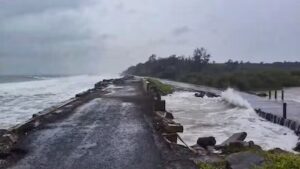
“Uttarkashi Flood Was Triggered by Ice Sheet Collapse, Not Cloudburst”: ISRO Study India News March 7, 2026
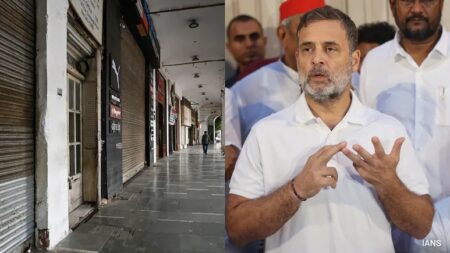
“Foreign Policy Cannot Be Outsourced”: Rahul Gandhi Criticises Government Over US Waiver on Russian OilMarch 7, 2026
“Iranian Cities Are Being Attacked Indiscriminately”: Tehran Accuses US and Israel of Targeting CiviliansMarch 7, 2026