Team Goemkarponn
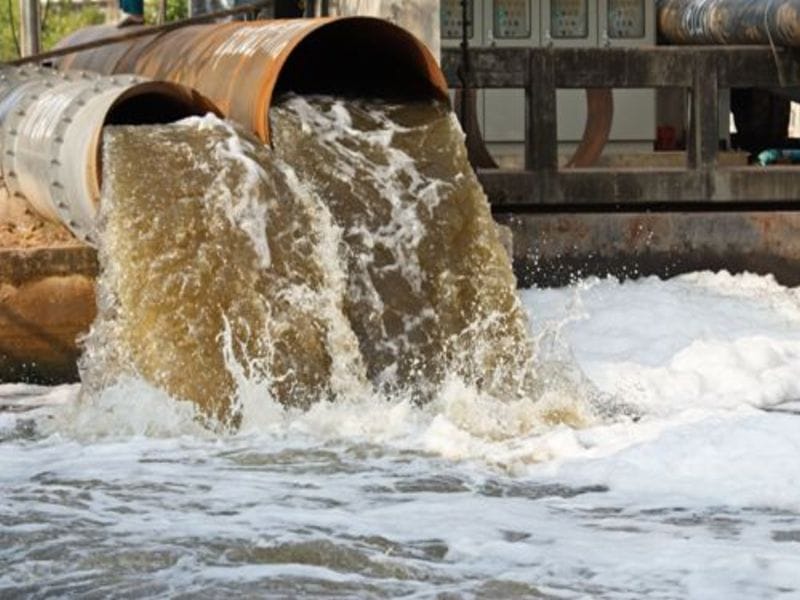
PANAJI: The National Fishworkers Forum (NFF) has raised serious concerns over alarming levels of pollution in 11 rivers across Goa, alleging that high concentrations of faecal coliform bacteria and the unchecked discharge of untreated sewage are threatening aquatic ecosystems and the livelihoods of traditional fishing communities.
NFF General Secretary Olencio Simoes has held the Goa State Pollution Control Board (GSPCB) accountable for the deteriorating situation, alleging that ineffective enforcement of environmental regulations and questions over the credibility of pollution monitoring have allowed river pollution to worsen.
The rivers identified as affected include the Mandovi, Zuari, Sal, Chapora, Terekhol (Tiracol), Talpona, Assonora, Bicholim, Valvanti (Walvanti) and Khandepar.
Highlighting the condition of the Mandovi River, Simoes claimed that pollution levels had reportedly reached 17 times above permissible limits. He also expressed concern over the alleged discharge of untreated sewage from casino vessels anchored in the river.
“Fishers have repeatedly witnessed the alleged discharge of untreated sewage from casino vessels, particularly during nighttime, which happens regularly. The impact is also visible during the day, when the water surrounding some casino vessels appears blackish. Millions of litres of untreated sewage entering our rivers have devastated aquatic ecosystems,” Simoes alleged.
He further pointed to the declining availability of traditional fish and aquatic species, including Tisrio (clams) and Khube, particularly in areas surrounding casino vessels in the Mandovi and other polluted rivers.
According to Simoes, shellfish are particularly vulnerable to deteriorating water quality, with pollution affecting their survival and availability. This has resulted in declining catches and financial losses for traditional inland fishing communities, he said.
The NFF general secretary has demanded immediate inspections of all casino vessels anchored in the Mandovi River and commercial establishments operating along riverbanks. He has also called for independent water-quality testing, transparent publication of faecal coliform monitoring results and strict action against establishments found discharging untreated sewage.
Additionally, the forum has sought an independent investigation into allegations of manipulation or fabrication of pollution monitoring results.
Warning that unchecked river pollution could eventually affect Goa’s coastal waters and marine ecosystem, Simoes said the consequences would extend beyond fishing communities to inland tourism, food security, public health and the state’s economy.
“Our rivers are the lifelines of Goa. If we allow our rivers to die, we will not only destroy traditional fishing communities but also jeopardise marine fisheries, inland tourism and the overall economy of our state,” he warned.
He urged the state government and the GSPCB to intervene immediately and take corrective measures before the environmental damage becomes irreversible.