New Delhi:
The recent deportation of over 100 Indian nationals from the United States, who were accused of entering the country illegally, has ignited a fierce debate in India, highlighting the country’s persistent unemployment crisis and the plight of its migrant workers. The deportees, who arrived in Punjab’s Amritsar on a US Air Force plane, were met with widespread criticism and protests, particularly from opposition parties in the Indian parliament.
AIMIM MP Asaduddin Owaisi has been at the forefront of this criticism, emphasizing that the deportations underscore the severe unemployment among Indian youth. According to Owaisi, citing a Pew Research 2022 report, there are approximately 675,000 undocumented Indian immigrants in the US, with 18,000 on the final list for deportation. This significant number, he argues, reflects the desperate measures taken by many Indians in search of better opportunities abroad.
The deportation process itself has been marred by controversy. The Indian nationals were handcuffed throughout their journey and were only unshackled upon arrival at the Amritsar airport. This treatment has been condemned by various opposition leaders, including Priyanka Gandhi Vadra, who questioned why the Indian government did not arrange for their return in a more dignified manner.
The incident has led to adjournments in both houses of the Indian parliament as opposition members demanded a discussion on the issue. External Affairs Minister S Jaishankar is scheduled to address the matter in the Rajya Sabha, a move that is anticipated to provide some clarity on the government’s stance and actions.
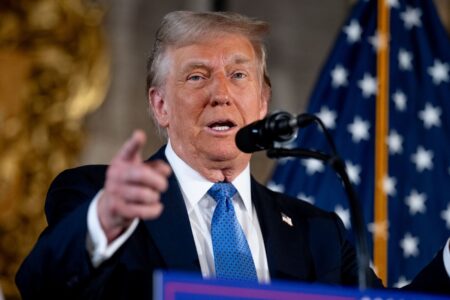
The deportations are part of US President Donald Trump’s stringent immigration policies, aimed at cracking down on illegal immigration. This policy has been a cornerstone of his administration, with the US vigorously enforcing its border and immigration laws. The US Embassy has reiterated that these actions are intended to send a clear message that illegal migration is not worth the risk.
India and the US are engaged in cooperation to deter illegal migration and to create more avenues for legal migration from India to the US. However, the current situation highlights the challenges and complexities involved in managing such migrations. The economic and social implications of these deportations are significant, including the potential disruption of families and the loss of remittances that these migrants send back to India.
The Indian government, particularly the BJP leadership, is under scrutiny for its handling of the situation and the broader economic conditions that drive many Indians to seek opportunities abroad. Owaisi’s criticism of the government’s narrative on India’s elevation to a superpower status has resonated with many, as it contrasts sharply with the harsh realities faced by these deportees.
As the debate continues, it remains to be seen how the Indian government will address the underlying issues of unemployment and the welfare of its citizens who are forced to migrate illegally in search of better lives.
Sorry, there was a YouTube error.