Team Goemkarponn
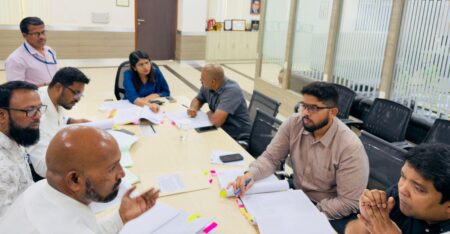
MARGAO: On World Environment Day, the Aam Aadmi Party (AAP) Goa sounded an urgent alarm over the environmental degradation of the Sal River and surrounding ecosystems in South Goa. Party leaders highlighted the grave threats posed by unchecked pollution, haphazard development, and government inaction, which are endangering Goa’s biodiversity, traditional livelihoods, and ecological balance.
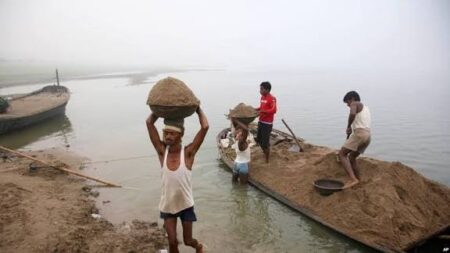
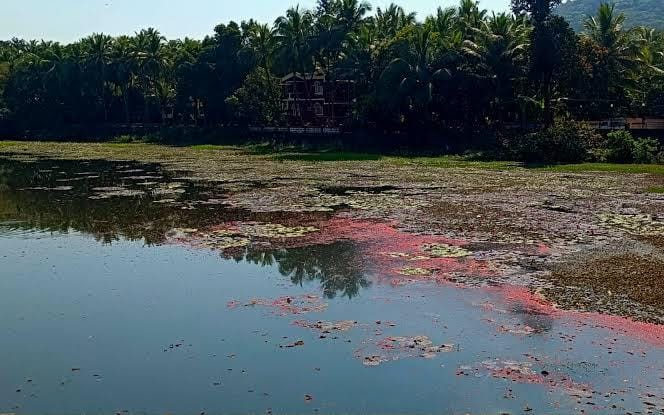
Velim MLA Cruz Silva expressed deep concern about the deteriorating water quality in the Sal River, blaming untreated sewage and industrial waste from urban areas for the decline. “Fish and aquatic life are dying. The existence of traditional fishing and shellfish species is under threat. The river is choked with unwanted weeds, and its natural self-purification capacity is rapidly diminishing,” said Silva. He called for immediate and comprehensive action to restore the river’s health and protect the local communities dependent on it.
Adding to the concern, Benaulim MLA Capt. Venzy Viegas emphasized the urgent need for the Water Resources Department to classify all 23 coastal creeks under the Irrigation Act. He urged the creation of a long-term eco-restoration plan involving conservation of catchment areas, protection of natural tidal flows, removal of sand shoals, and improved oxygenation. “These 20,000-year-old drainage systems are our natural shields against sea level rise and flooding,” Viegas warned.
Capt. Viegas also raised the issue of sand dune conservation, particularly in areas like Colva and Cansaulim, where ongoing efforts have shown positive outcomes. However, he criticized the historical trend of allotting coastal dune lands for luxury hotel construction. “The same individuals who once gave away this land are now claiming to protect it. This hypocrisy must stop,” he said.
Environmental heritage at risk
Highlighting the threat to Goa’s agricultural heritage, Prof. Ramrao Wagh spoke about the decline of the traditional **Khazan system, a centuries-old, sustainable form of agriculture. “This engineering marvel is being lost to the fish mafia and rampant land conversions,” he said. More than 6,000 hectares of Khazan land have already been diverted for construction—legally and illegally—particularly in Tiswadi, Bardez, and Salcete. Toxic waste dumping, such as the recent incident in Agassaim, further endangers water sources and farming communities.
Taleigao’s ecological crisis
From Taleigao, AAP leader Ceceill Rodrigues decried reckless field filling, hill cutting, and land reclamation in the name of development. “This selfish approach is destroying nature. The fields that once grew our food are being lost, and the hills that helped absorb rainwater are gone. We are now facing increased floods, landslides, and water stagnation,” he warned.
Rodrigues called for sustainable development practices that prioritize environmental conservation, food security, and community well-being. “We must preserve our natural heritage, hold authorities accountable, and adopt eco-friendly practices before it’s too late,” he said.
1
/
8


#JustCasual With Utpal Parrikar | “Ready To Align With Like-Minded People For CCP”
#JustCasual With Yuri Alemao | FROM COCKPIT TO ASSEMBLY FLOOR, Yuri Alemao’s TURBULENT life
#JustCasual With Amit Patkar | “Amit Patkar Ko Gussa Kyun Aata Hai?”
#JustCasual With Joshua De Souza Speaks Candidly on Mapusa, Politics & Michael Lobo,”
#JustCasual With Archit Shantaram Naik GPYC Chief “NOT A NEPO KID, WORKED HARDTO REACH HERE
#JustCasual With Valmiki Naik“Common Minimum Programme Before Seat Sharing”
1
/
8