New Delhi: India is set to launch Poorvi Prachand Prahar, a major tri-service military exercise in Arunachal Pradesh from November 11 to 15, aimed at testing integrated combat readiness, inter-service coordination, and high-altitude operational capability. The large-scale drill comes soon after a series of intense manoeuvres along the western borders, signaling a renewed strategic emphasis on the eastern front amid ongoing border sensitivities with China.
The upcoming exercise will bring together the Indian Army, Navy, and Air Force in a realistic high-altitude combat environment, marking another step in India’s move toward theatre-based joint operations. It will include live demonstrations of precision strikes, artillery coordination, drone deployments, and networked command systems. Naval participation will involve air surveillance and logistical assistance, reflecting the increasing focus on multi-domain synergy even in terrain-dominated operations.
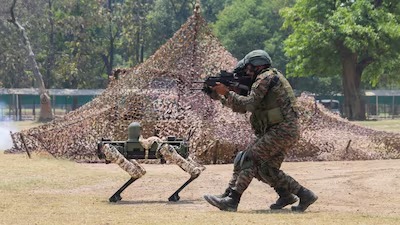
According to officials, a key feature of Poorvi Prachand Prahar will be the coordinated use of special forces, unmanned aerial platforms, and precision weapon systems operating through integrated command centres. The exercise is designed to enhance interoperability and ensure seamless coordination between the services during complex battlefield scenarios.
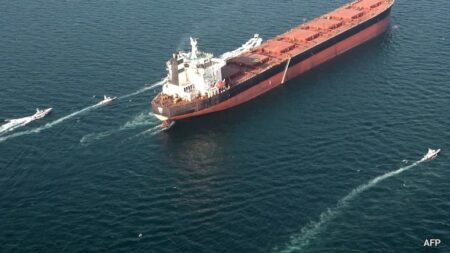
While preparations unfold in the east, the armed forces are simultaneously conducting Exercise Trishul on the western borders of Rajasthan and Gujarat. This ongoing operation, which began on October 30, has tested joint combat efficiency through live-fire missions, electronic warfare simulations, and rapid-response drills involving Army strike formations and Air Force fighter aircraft. Naval elements have supported the exercise from the Arabian Sea through reconnaissance and logistical operations, underlining India’s growing ability to conduct simultaneous, multi-domain operations.
Both major exercises follow the success of Operation Sindoor earlier this year, when India conducted precision strikes on terror infrastructure across the Line of Control and in Pakistan-occupied Kashmir following the Pahalgam attack. The latest manoeuvres reflect India’s ongoing strategy to maintain combat readiness and strengthen deterrence on both its eastern and western fronts.