AHMEDABAD: Investigators probing the tragic crash of Air India Flight 171 in Ahmedabad are focusing on possible improper use of the engine fuel control switches aboard the Boeing 787 Dreamliner, according to a report by aviation journal The Air Current.
Flight data and cockpit voice recordings suggest that the movement of the engine fuel control switches—normally used only during engine start-up or shutdown on the ground—may have played a role in the disaster. Experts warn that any in-flight shift of these switches from ‘run’ to ‘cutoff’ would instantly shut down the engine, resulting in loss of thrust and power to critical aircraft systems.
Sources close to the probe say the evidence doesn’t yet confirm whether the switches were moved accidentally, deliberately, or as part of a cockpit response, but their role in the crash cannot be ruled out.
Notably, the switches are fitted with safety guards and a stop-lock mechanism, making accidental movement nearly impossible. Aviation expert John Cox stated, “You can’t bump them and they move.”
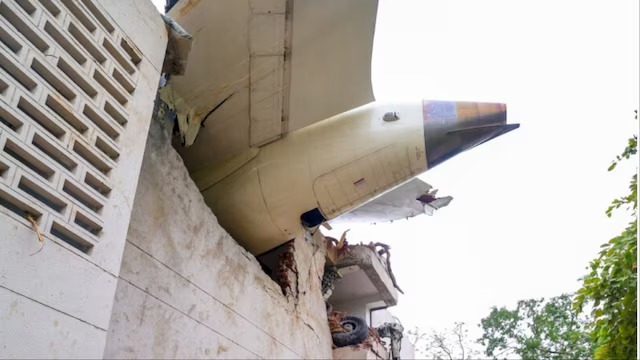
The Air India 787, bound for London, crashed moments after takeoff from Ahmedabad, plummeting after reaching just 650 feet altitude, killing 241 of the 242 people on board, along with 19 on the ground.
Investigators have not identified any mechanical faults so far, and no operational bulletins have been issued to other airlines operating Boeing 787s.
India’s Aircraft Accident Investigation Bureau (AAIB) is leading the inquiry, with support from global aviation authorities. Air India has confirmed that compensation has been paid to families of nearly two-thirds of the victims, following Tata Sons’ announcement of ₹1 crore ex gratia per deceased passenger.
Sorry, there was a YouTube error.