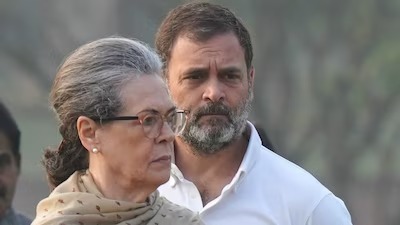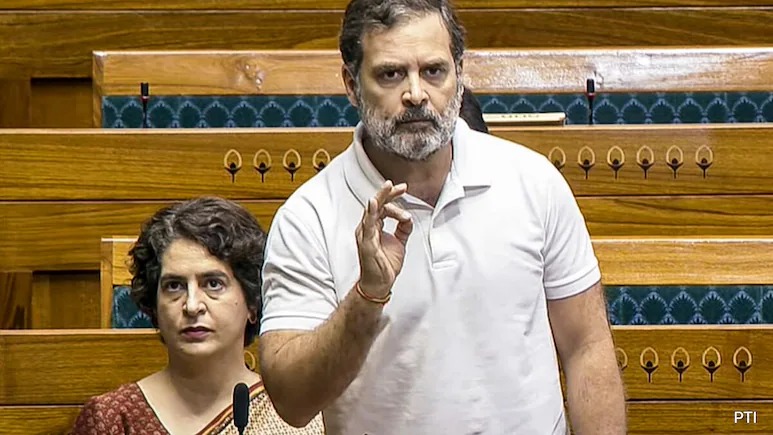
New Delhi: Leader of the Opposition Rahul Gandhi has sharply criticised the Viksit Bharat Guarantee for Employment and Livelihood Mission (Rural) Bill, known as the G RAM G Bill, after it was passed by Parliament amid strong opposition protests. He described the legislation as anti-village and anti-state, arguing that it dismantles the core principles of the Mahatma Gandhi National Rural Employment Guarantee Act, which it is expected to replace once it receives presidential assent.
The Bill cleared both Houses despite demands from opposition parties that it be referred to a standing committee for detailed scrutiny. Gandhi said a law that reshapes the rural social contract and affects millions of workers should not be rushed through Parliament without expert consultation, public hearings and committee review.
According to him, the new framework does not represent a genuine reform of the existing rural employment programme. Instead, he claimed it removes the rights-based and demand-driven nature of the earlier law and converts it into a rationed scheme controlled centrally. He argued that such a shift weakens the autonomy of states and villages while concentrating power in New Delhi.
Gandhi said the earlier employment guarantee gave rural workers bargaining power, helping reduce exploitation, distress migration and wage suppression while also contributing to rural infrastructure development. He alleged that the new Bill undermines this leverage by placing caps and procedural barriers on access to work, thereby weakening the only reliable support system available to the rural poor.
He also recalled the role of the employment guarantee scheme during the Covid period, when it helped prevent large sections of the population from slipping into hunger and debt. He warned that any dilution of such a programme would disproportionately affect women, Dalits, Adivasis, landless labourers and vulnerable OBC communities.
Under the existing law, rural households are entitled to 100 days of guaranteed employment each year, along with an unemployment allowance if work is not provided. The new Bill proposes to increase this guarantee to 125 days, but employment would be generated through pre-approved plans, a provision that has drawn widespread criticism.
The opposition has also objected to the change in name, alleging an attempt to erase the legacy associated with Mahatma Gandhi. The Bill was passed after a late-night voice vote in the Rajya Sabha and now awaits presidential approval.
Sorry, there was a YouTube error.