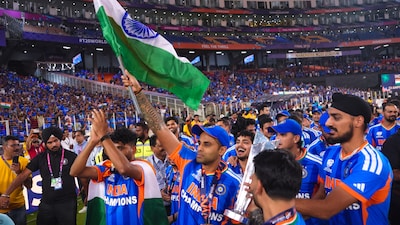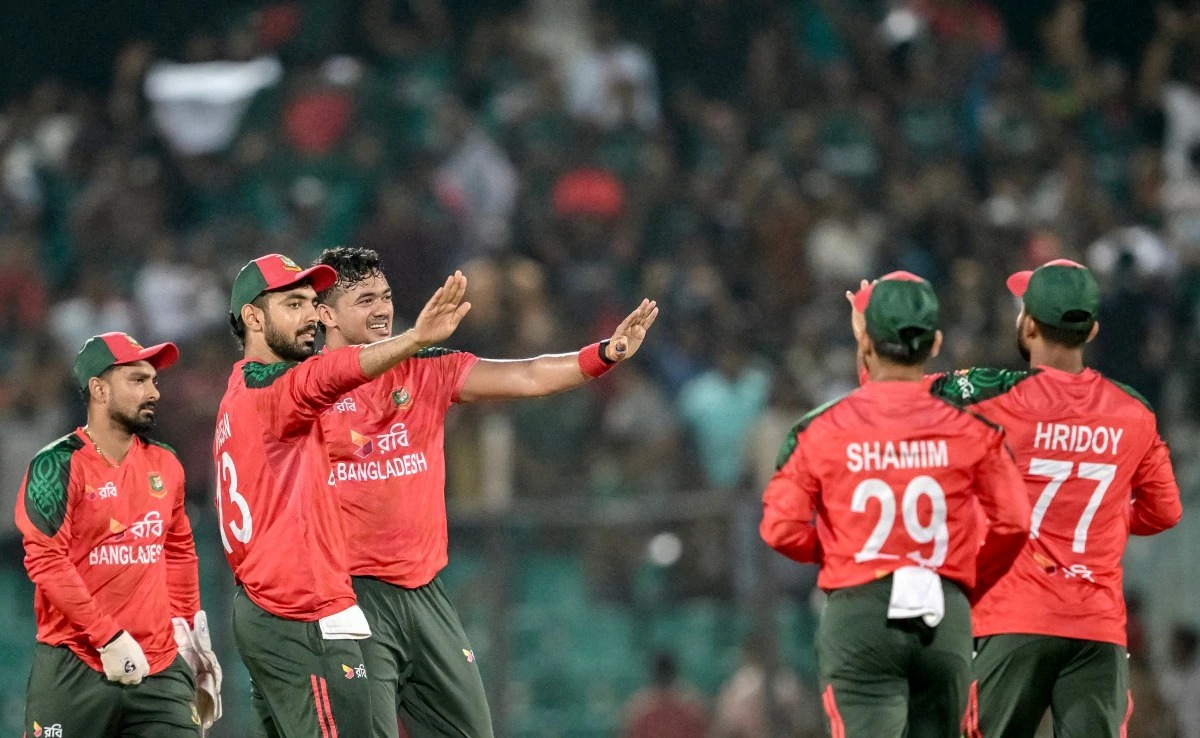
Dhaka: Bangladesh are pinning their hopes on a last-minute turnaround after the International Cricket Council rejected their request to relocate their matches in the 2026 Men’s T20 World Cup away from India, raising doubts over the team’s participation in the tournament.
The Bangladesh Cricket Board had approached the ICC seeking a change of venue for their group-stage fixtures, citing concerns linked to diplomatic tensions and security perceptions. The ICC, however, declined the request, stating that there was no credible threat to the safety of players, officials or supporters and that altering the schedule would disrupt tournament planning.
Following the decision, BCB president Aminul Islam said the board would consult the Bangladesh government before taking a final call, describing the situation as delicate and politically sensitive. He said the board had sought a short window to brief the government and return to the ICC with a formal response, expressing hope that an exceptional solution could still emerge.
Islam stressed that the players were eager to compete in the World Cup and that no cricketer wanted to miss a global event of such significance. At the same time, he acknowledged that the board could not act independently of the government on matters involving international travel and security considerations.
The ICC has maintained that the tournament schedule was finalised after extensive planning and that granting special concessions to one team could prompt similar demands from others. Officials indicated that all participating nations were expected to adhere to the agreed framework, especially in the absence of verified security risks.
Under the current schedule, Bangladesh are set to play multiple group matches at Indian venues. ICC officials have reportedly warned that failure to confirm participation within the stipulated timeframe could result in Bangladesh being replaced by another qualified team, as contingency plans are already in place.
The situation has created uncertainty within Bangladesh’s cricketing circles, with administrators balancing sporting priorities against diplomatic realities. The board’s stance has also drawn attention to the broader impact of geopolitical tensions on international sport, particularly in multinational tournaments hosted by a single country.
Islam said the board remained hopeful of a positive outcome, describing the coming days as critical. He added that the BCB’s objective was to ensure Bangladesh’s participation without compromising national considerations, while also respecting the ICC’s regulations.
With the World Cup timeline approaching, the decision by the Bangladesh government is expected to play a decisive role in determining whether the team takes the field or withdraws, marking a rare and contentious episode in the tournament’s buildup.