Kolkata: Political tensions between West Bengal Chief Minister Mamata Banerjee’s Trinamool Congress and the BJP-led Centre have long defined the state’s political landscape. However, recent unrest in neighbouring Nepal has prompted the two sides to set aside differences and focus on border security.
Bengal shares a roughly 100-km border with Nepal, including the strategically sensitive Siliguri “chicken’s neck” corridor. The Himalayan nation has been rocked by Gen-Z protests, and although an interim government led by Sushila Karki is now in place, India has maintained heightened vigilance along the border.
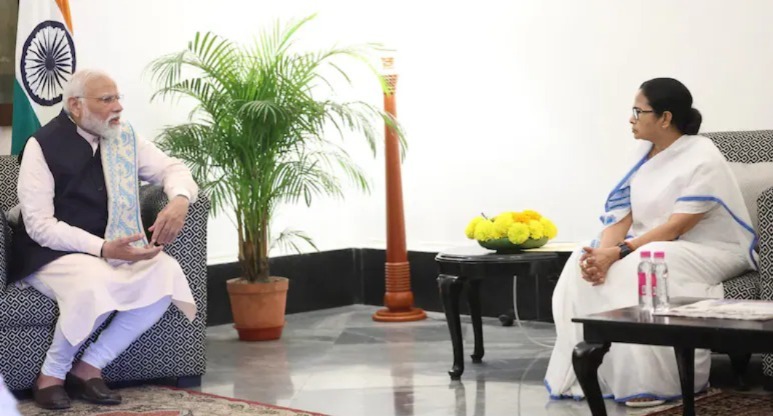
“These are issues of national interest. On security, there is no Trinamool-BJP rift. We are united,” Mamata Banerjee said. Prime Minister Narendra Modi, during a recent visit to the state, also refrained from commenting on political rivalries.
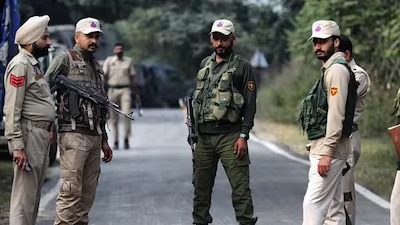
A combined meeting of corps commanders at Fort William, headquarters of the Eastern Command, saw Defence Minister Rajnath Singh and National Security Advisor Ajit Doval reviewing the situation. Security measures have been ramped up, with additional Border Security Force (BSF) and army deployment, alongside coordinated surveillance by the Sashastra Seema Bal (SSB) and state police at key entry points such as the Panitanki bridge.
Intelligence sharing between the Centre and state remains robust, with reports from the state’s intelligence wing submitted to the Prime Minister’s Office and the National Security Advisor. Sources indicated concerns over the presence of Chinese currency in the Kathmandu market, raising perceptions of potential Chinese influence in Nepal.
Meanwhile, Governor C.V. Ananda Bose inspected the Phasidewa border area, reviewing fencing and interacting with security forces, with arrangements facilitated by the state police despite initial reservations over security risks.