Goa’s transformation in recent years reflects a clear and consistent focus on improving quality of life, strengthening public infrastructure, and building sustainable systems for the future. At the centre of many of these efforts is Vishwajit Rane, whose push across healthcare, environment, and urban development is contributing to a more resilient and progressive Goa.
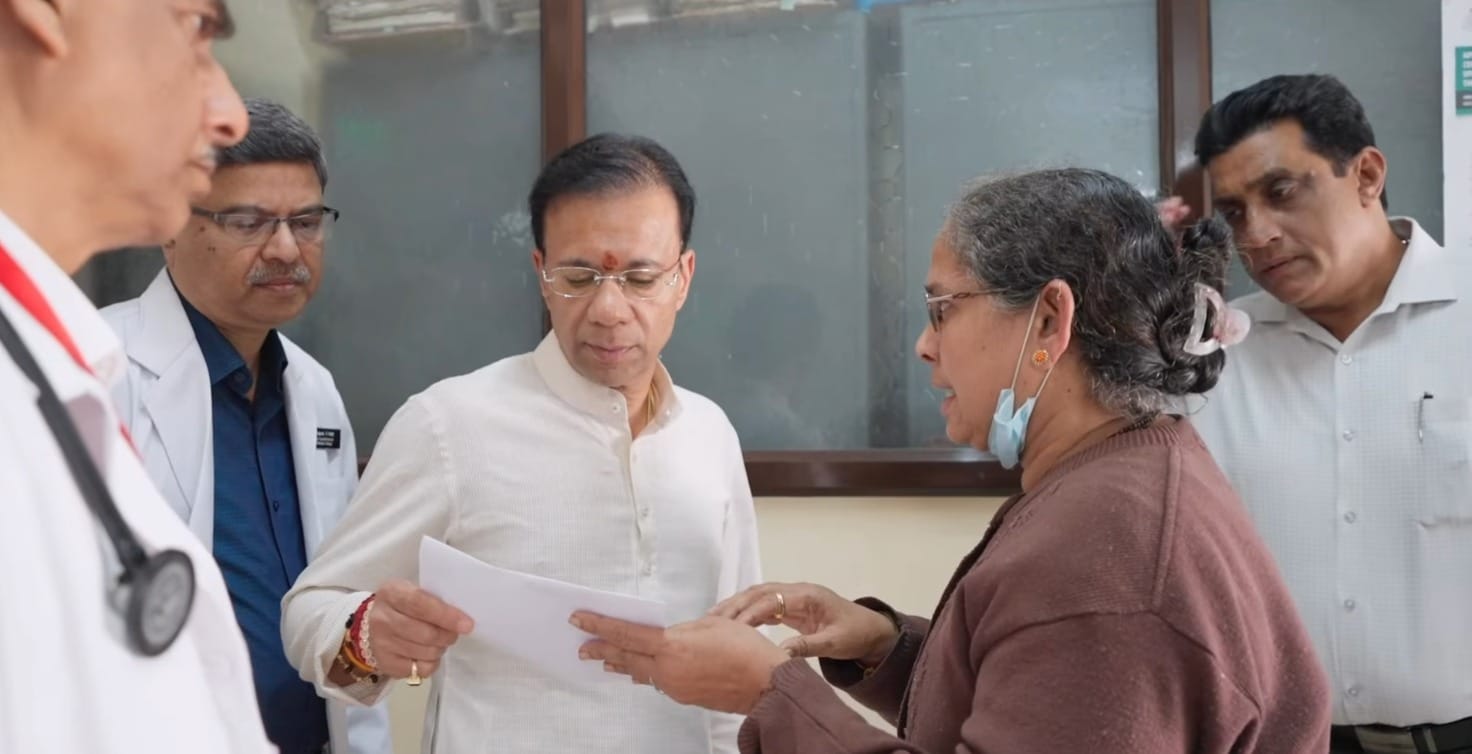
One of the most visible areas of impact has been healthcare innovation and accessibility. The introduction of AI-powered diagnostics, already enabling over 1.16 lakh scans, has significantly improved early detection and efficiency in medical services. Alongside this, the establishment of a 120-bed State Cancer Institute, guided by Tata Memorial Hospital, is strengthening Goa’s capacity to provide advanced and accessible cancer care within the state.
Preventive healthcare has also taken centre stage. Goa is among the first states to implement universal newborn screening, covering over 1.2 lakh babies and enabling early identification of critical health conditions. The state’s success in being declared a human rabies-controlled region, along with key milestones in malaria elimination, reflects a strong commitment to long-term public health outcomes.
Beyond healthcare, Goa is making steady progress in sustainable urban development and environmental management. Scientific waste management systems, including biomethanation plants and Material Recovery Facilities (MRFs), are improving waste processing while reducing environmental impact.
Efforts to restore green spaces and promote eco-tourism are also ensuring that development does not come at the cost of Goa’s natural heritage.
At the community level, livelihood and housing initiatives are playing a crucial role in inclusive growth. More than 2,800 families have benefited from affordable housing under the Pradhan Mantri Awas Yojana, while 1,178 self-help groups have been supported through urban livelihood missions—empowering women and local communities to build sustainable incomes.
Infrastructure, too, remains a key enabler in this journey. Emphasizing a people-first approach to development, Vishwajit Rane has stated, “People’s sentiments are most important, but we also need infrastructure projects that will transform the constituency.” This perspective reflects a balanced vision, one that respects community needs while driving long-term progress. He has also highlighted the importance of infrastructure in regional growth, particularly in areas like Sattari, reinforcing the need for continued investment in connectivity and development across both urban and rural Goa.
What ties these diverse initiatives together is a broader vision one that balances technology with accessibility, development with sustainability, and growth with inclusivity. As Goa continues to evolve, these efforts are not only improving everyday life for its citizens but also positioning the state as a model for integrated and forward-thinking governance.
At the heart of this transformation is a leadership approach that prioritizes impact-driven initiatives making Goa not just a better place to live today, but a stronger, more future-ready state for tomorrow.