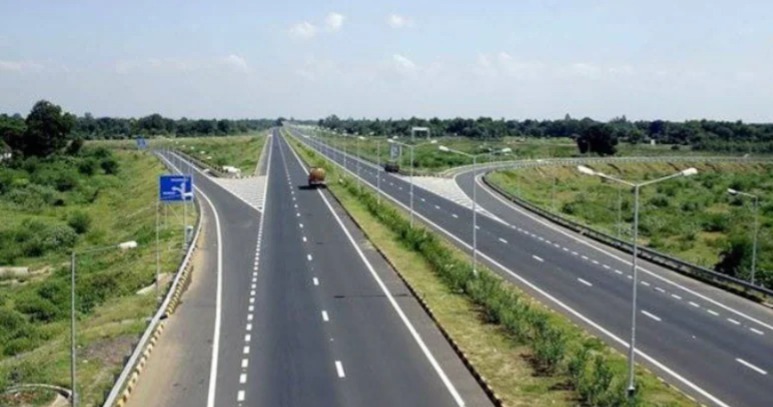
New Delhi: The Union Cabinet has cleared the construction of a six lane greenfield access controlled corridor connecting Nashik, Solapur and Akkalkot in Maharashtra, marking a major push to regional connectivity and logistics efficiency. The 374 kilometre project will be developed at a capital cost of Rs 19,142 crore under the Build Operate Transfer toll based model.
The proposed corridor is designed to link key urban and industrial centres, including Nashik, Ahilyanagar and Solapur, with onward connectivity to Kurnool. It is expected to play a critical role in creating an integrated transport network in line with the PM Gatishakti National Master Plan, which focuses on seamless multimodal infrastructure development.
The Nashik to Akkalkot corridor will be strategically connected to major national highways and expressways. These include the Delhi Mumbai Expressway near the Vadhawan port interchange, the Agra Mumbai corridor at Nashik through the NH 60 junction at Adegaon, and the Samruddhi Mahamarg at Pangri near Nashik. Once operational, the corridor will enable uninterrupted movement from India’s west coast to the east coast.
From the eastern end, four lane corridors connecting Chennai port to Hasapur at the Maharashtra border are already under development, further strengthening long distance freight and passenger movement across states.
A key objective of the project is to significantly improve travel efficiency. The new corridor is expected to reduce travel distance by 201 kilometres and cut journey time by nearly 17 hours, bringing the total travel duration down from around 31 hours. The highway will support average vehicle speeds of 60 kilometres per hour, with a design speed of 100 kilometres per hour, offering faster, safer and congestion free travel.
The project is also expected to enhance logistics performance for freight linked to major National Industrial Corridor Development Corporation nodes such as Kopparthy and Orvakal. Improved connectivity is likely to reduce transportation costs and support industrial growth in the region.
In addition to infrastructure benefits, the corridor is projected to generate substantial employment. Construction activities are expected to create over 251 lakh man days of direct employment and nearly 314 lakh man days of indirect employment, with further job opportunities arising from increased economic activity along the route.
Sorry, there was a YouTube error.