New Delhi: The Government of India has instructed states and Union Territories to allocate a larger share of packed non domestic LPG to priority industrial sectors in order to manage supply disruptions triggered by the ongoing tensions involving Iran.
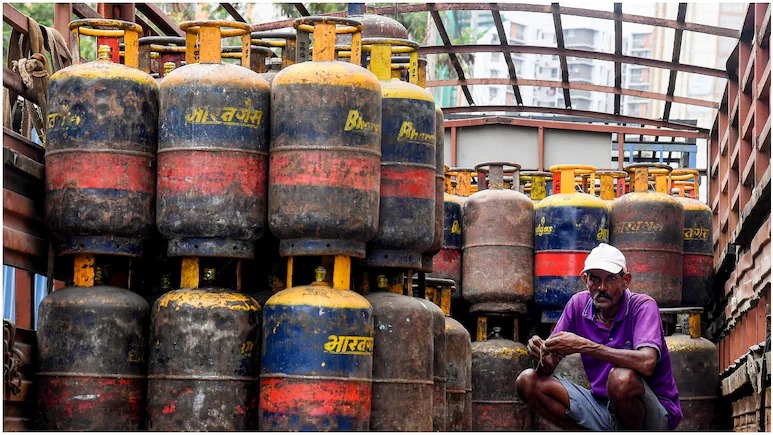
In a communication sent to state authorities, Neeraj Mittal, Secretary in the Ministry of Petroleum and Natural Gas, stated that key industries will now receive up to 70 percent of their LPG requirement based on their bulk non domestic consumption levels recorded before March 2026.
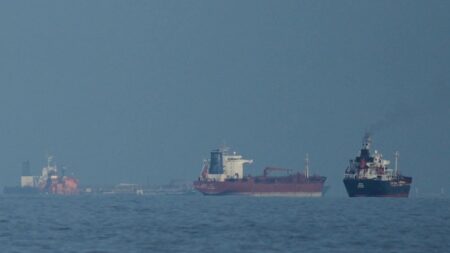
The directive comes as energy supply chains face pressure due to disruptions in the Middle East. A significant portion of India’s LPG imports originates from this region, and the situation intensified after Iran restricted movement in the Strait of Hormuz while carrying out military operations against several Gulf states.
Under the revised arrangement, LPG distribution will prioritise sectors considered vital for economic and industrial activity. These include pharmaceuticals, food processing, polymers and agriculture, along with industries such as packaging, paint manufacturing, uranium processing, heavy water production, steel, seed processing, metals, ceramics, foundry work, forging, glass manufacturing and aerosol production.
The allocation will operate under a sectoral cap of 0.2 thousand metric tonnes per day for bulk LPG supply. Authorities have also indicated that priority within these sectors will be given to units that rely on LPG for specialised processes where alternative fuels such as natural gas cannot be used.
State governments have been asked to promptly communicate the revised gas and petroleum distribution guidelines to relevant departments and ensure quick implementation of the 10 percent reform linked LPG allocation where it has not yet been introduced.
The decision is part of broader measures to stabilise energy supplies for industries while maintaining adequate availability for domestic consumption.
Meanwhile, a temporary ceasefire between the United States and Iran is expected to ease some pressure on global energy routes. The arrangement includes a pause in hostilities and allows ships to resume passage through the Strait of Hormuz, a key route for global oil and gas shipments.
Sorry, there was a YouTube error.