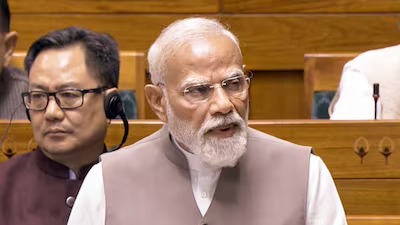
New Delhi: The central government will launch the UMEED portal (Unified Waqf Management, Empowerment, Efficiency, and Development) on June 6 as part of its efforts to modernize and streamline the registration of Waqf properties. The initiative follows the enactment of the Waqf (Amendment) Act, 2025, which received presidential assent from President Droupadi Murmu on April 5 after being passed in both Houses of Parliament amid heated debates.
The portal mandates registration of all Waqf properties within six months, with comprehensive details such as dimensions and geo-tagged locations. Properties registered in a woman’s name cannot be declared as Waqf, and the law directs that women, children, and the poor should be the primary beneficiaries of Waqf assets.
The State Waqf Boards will supervise the registration process. If a property is not registered within the stipulated timeframe, it will be treated as disputed and referred to a tribunal for resolution.
The Waqf (Amendment) Act, 2025 introduces key regulatory reforms to the original Waqf Act of 1995, aiming to bring transparency and efficiency to the management of religious endowments under Islamic law.
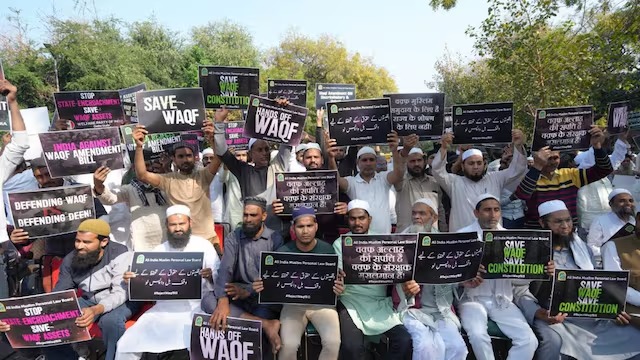
However, the amendment has sparked controversy. Several petitions challenging the Act have been filed in the Supreme Court, alleging that the new provisions enable the government to “capture” properties via an executive and non-judicial process. Petitioners also claim the amendments violate constitutional protections, and constitute discrimination against Muslims by interfering with religious affairs and the autonomy of Waqf institutions.
On April 17, the Supreme Court declined to stay the amended law after the government assured it would not implement certain provisions immediately. During the latest hearing on May 27, the apex court sought formal responses from the Centre and other parties involved in the case.
Despite the legal challenges, the Centre is moving forward with the UMEED portal rollout, signaling its intent to reform Waqf governance and improve accountability through digital infrastructure.
Sorry, there was a YouTube error.