Team Goemkarponn
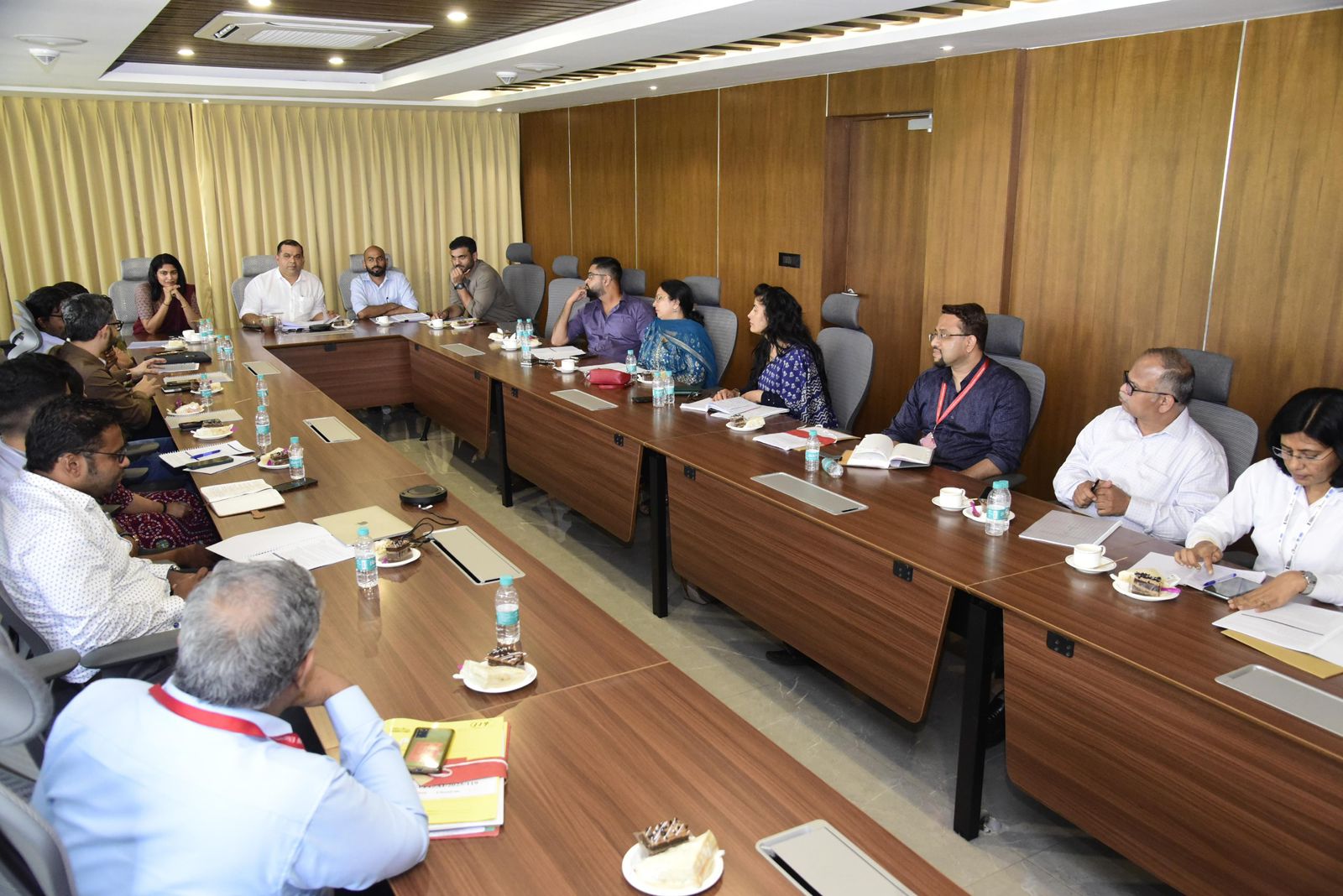
PANAJI: A high level stakeholder meeting was held in Panaji to examine the growing impact of social media on children and to explore possible regulatory measures to enhance online safety. The consultation was organised by the Department of Information Technology, Electronics and Communications of the Government of Goa and took place at Paryatan Bhavan in Patto.
The meeting was chaired by Rohan A. Khaunte and brought together representatives from government departments, law enforcement agencies, the education sector, industry bodies and technology stakeholders. Officials from the cyber crime unit, legal departments, educational institutions and business associations participated in the discussions.
The deliberations focused on the theme “Impact of Social Media on Children and Regulatory Safeguards for Child Safety”. Participants highlighted growing concerns related to excessive digital exposure among children, including increasing dependency on online platforms, declining attention spans, cyberbullying and access to inappropriate content.
A concept note presented during the meeting outlined the key challenges posed by the rapid growth of social media use among young users. It also referred to regulatory approaches adopted in other countries. However, it was noted that there is currently no single comprehensive global framework addressing the issue of children’s safety on digital platforms.
Speaking during the discussions, Khaunte stressed the need for urgent action as more children gain early access to smartphones and digital platforms. He emphasised that parents play a crucial role in monitoring online activities and encouraging responsible digital behaviour from a young age. The minister also highlighted the importance of collaboration between government, industry and academic institutions to develop a comprehensive strategy that balances access to educational technology with necessary safeguards.
Several proposals were discussed during the meeting. These included introducing stronger parental controls, implementing application level filters, limiting mobile phone use in schools and launching awareness campaigns for parents and students. Participants also recommended gathering data on the social media platforms most widely used by children in the state.
Officials also noted that technology companies should take greater responsibility in developing systems that restrict access for users below a certain age. At the same time, participants acknowledged that social media platforms also support a growing digital creator economy and provide economic opportunities.
Law enforcement representatives shared that a number of cyberbullying related complaints involving children had been reported in recent years, including cases of online harassment and image manipulation. Awareness programmes through schools, parent teacher associations and workshops were suggested as effective tools to address the issue.
Following the discussions, it was decided that the state will prepare a policy document containing recommendations aimed at tackling the growing risks faced by children online. Stakeholders have been invited to submit their suggestions, which will be reviewed in future meetings as part of an ongoing consultative process.