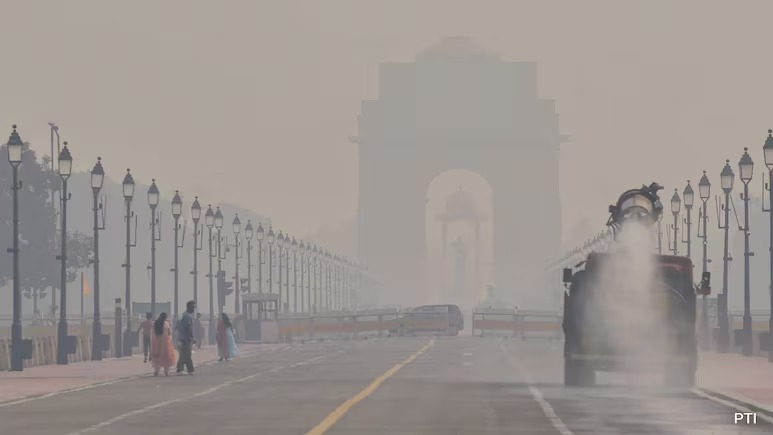
New Delhi: Delhi emerged as the second most polluted city in India during January, recording a monthly average PM2.5 concentration of 169 micrograms per cubic metre, according to a new analysis. The figure is almost three times higher than the National Ambient Air Quality Standards limit of 60 micrograms per cubic metre.
Ghaziabad topped the pollution chart with an average PM2.5 level of 184 micrograms per cubic metre and breached the daily national standard on every single day of the month. The findings were part of a study conducted by the Centre for Research on Energy and Clean Air, which reviewed air quality trends across the country.
The report revealed that Delhi experienced 24 days in the very poor category, three days classified as severe, two days as poor and only two days in the moderate range during January. Under Central Pollution Control Board guidelines, an Air Quality Index between 201 and 300 is considered poor, 301 to 400 very poor and 401 to 500 severe.
At the national level, 123 out of 248 cities recorded monthly PM2.5 averages above the prescribed Indian standard. None of the monitored cities managed to meet the World Health Organization recommended daily safe limit of 15 micrograms per cubic metre, highlighting the scale of the problem.
Among cities covered under the National Clean Air Programme, compliance remained weak. Of the 97 programme cities with adequate data, 46 exceeded India daily PM2.5 standard and all of them crossed the World Health Organization guideline. Besides Delhi and Ghaziabad, other heavily polluted cities included Noida, Gurugram, Greater Noida, Dharuhera, Gangtok, Singrauli, Bhiwadi and Narnaul. Uttar Pradesh and Haryana accounted for three cities each in the top ten list.
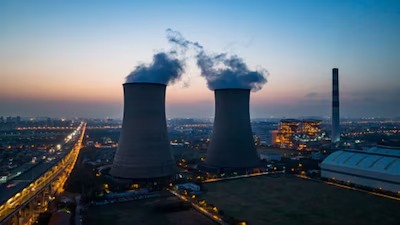
Experts have called for stronger action to address the crisis. CREA analyst Manoj Kumar suggested that the clean air programme should focus more on PM2.5 and its precursor gases such as sulphur dioxide and nitrogen dioxide. He recommended stricter emission norms for industries and power plants, revision of the list of non attainment cities and adoption of an airshed based strategy.
PM2.5 particles are extremely fine pollutants with a diameter smaller than the width of a human hair. These particles can penetrate deep into the lungs and even enter the bloodstream, posing serious risks to respiratory and cardiovascular health.
Sorry, there was a YouTube error.