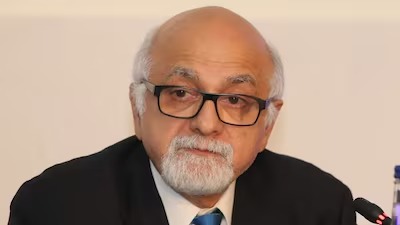
New Delhi: The International Cricket Council has reportedly initiated urgent efforts to ensure the high profile India versus Pakistan match at the T20 World Cup goes ahead as scheduled. The global body is understood to have asked its deputy chairman Imran Khwaja to engage with the Pakistan Cricket Board and persuade it to reconsider the government directive barring the team from playing India.
Earlier this month the Pakistan government announced that its national side would travel to Sri Lanka for the tournament but would not take part in the fixture against India on February 15. The decision was conveyed through official channels without providing detailed reasons, though it is being viewed as a political stance linked to regional developments.
Media reports suggest that Khwaja, who represents the Singapore Cricket Association at the ICC, is leading intense behind the scenes discussions to find a solution. The Pakistan Cricket Board has so far not sent any written communication to the ICC regarding the boycott and is believed to be avoiding a formal declaration.
Cricket administrators fear that cancellation of the marquee contest could trigger major financial and legal complications. Broadcasters have paid substantial sums for ICC rights based on the inclusion of India Pakistan matches, which are among the most watched events in world sport. Any withdrawal could be treated as a breach of contract and lead to litigation against both the PCB and the ICC.
Sources familiar with the matter said the broadcaster would be fully within its rights to seek damages if the fixture does not take place. The PCB reportedly reached out to other member boards seeking support for its position but failed to receive backing from any major cricket nation.
There is also speculation that the current hard line posture may be linked to domestic political considerations in Pakistan. Observers believe the board leadership could revisit the decision after upcoming elections, as there would still be a short window before the scheduled match to reverse course.
If the boycott proceeds, Pakistan risks isolation within international cricket and potential sanctions from the governing body. The ICC is therefore keen to find a diplomatic resolution that protects the tournament schedule and the commercial interests attached to it, while avoiding a confrontation between two of its most important members.
Sorry, there was a YouTube error.