Team Goemkarponn
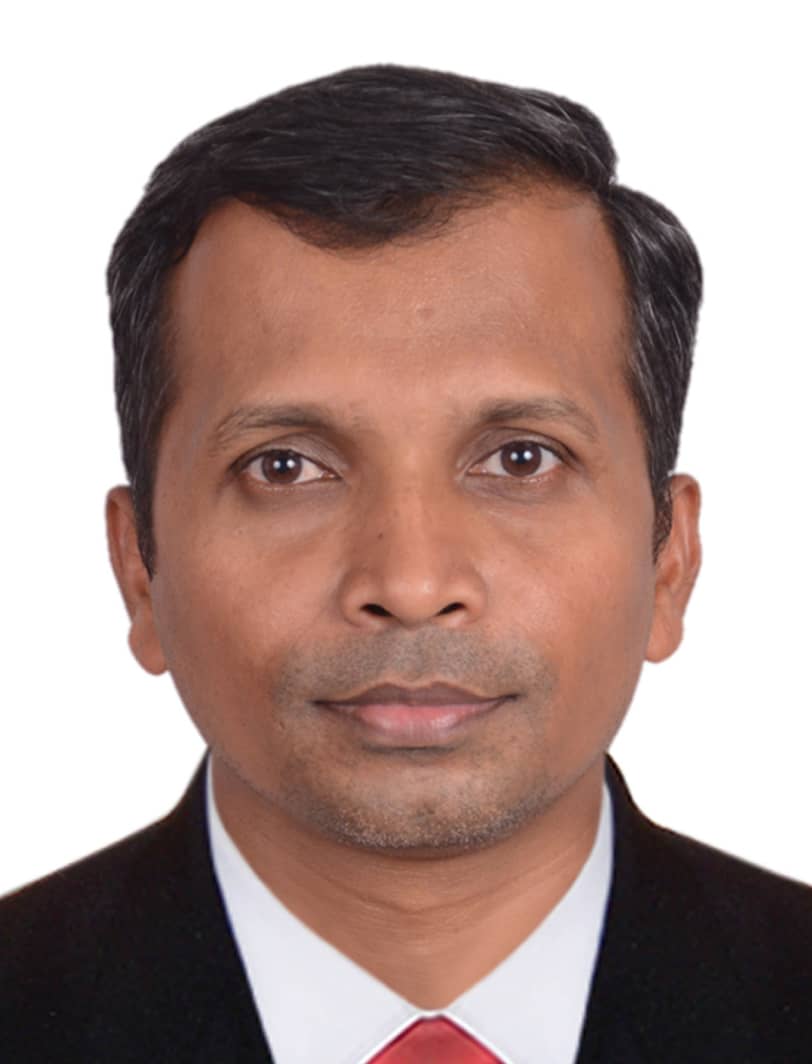
Canacona: Tribal researcher and journalist Devidas Gaonkar from Khotigao, Canacona, has been selected to participate in an international art exhibition and seminar to be held at the Musée d’Art Moderne, Paris, France, on February 4 and 5, 2026.
Gaonkar, who has been actively engaged in in-depth research on the Adivasi communities of Goa, has been invited to take part in the exhibition of renowned artist Otobong Nkanga. His participation has been facilitated through a collaboration with internationally acclaimed artist Mel O’Callaghan, who selected Gaonkar for the project.
The international seminar and exhibition will explore humanity’s relationship with the pulse of the Earth through artistic, symbolic and scientific perspectives, with a special focus on breath, the body, ritual practices and environmental vibrations.
As part of this initiative, Adivasi researcher Devidas Gaonkar and artist Mel O’Callaghan have jointly created a new video artwork inspired by Dhillo, an ecofeminist festival celebrated by women in Badde-Khotigao, Canacona. The artwork highlights the interdependence of human gesture, voice, the Earth and other living elements, presenting indigenous knowledge and rituals in a global contemporary art context.
Apart from being a journalist and researcher, Gaonkar is also a filmmaker, writer and activist associated with the Indigenous rights movement. In the same project, he served as the principal collaborator and cinematographer for the film All is Life, which was earlier presented in Australia. He has authored several research-based articles on Adivasi issues in newspapers and magazines in Goa, written academic papers in Indian regional languages, and handled editorial responsibilities for Mand, a magazine dedicated to Adivasi issues, along with publications of various Adivasi organisations.
The Paris programme will also feature participation from experts across disciplines, including psychologists, environmental specialists, sound experts, folklore scholars, geologists and marine scientists, making it a multidisciplinary platform for dialogue on culture, ecology and indigenous knowledge systems.