New Delhi: Prime Minister Narendra Modi held a telephonic conversation with Iranian President Masoud Pezeshkian to discuss the worsening situation in West Asia, expressing serious concern over the ongoing conflict and its impact on civilians. The discussion marked the first direct contact between the two leaders since tensions in the region escalated last month.
During the call, the Prime Minister conveyed concern about the rising violence, loss of civilian lives, and damage to infrastructure. He also emphasised the importance of maintaining peace and stability in the region through dialogue and diplomatic efforts. Ensuring the safety of Indian citizens and the uninterrupted movement of goods and energy supplies was highlighted as a key priority for India.
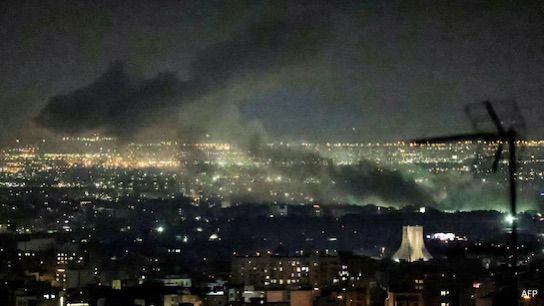
The conversation comes amid heightened hostilities following the assassination of Iran’s supreme leader Ali Khamenei in a coordinated offensive by the United States and Israel on February 28. The development triggered a wider conflict across the Middle East, with Iran responding by launching attacks on Israeli targets and American military bases in the Gulf region, including areas near Dubai and Doha.
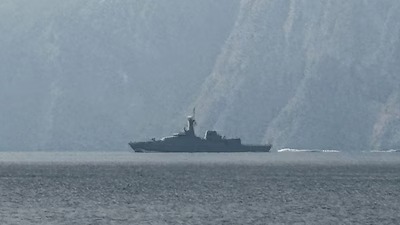
The conflict has severely disrupted shipping through the strategic Strait of Hormuz, a vital global energy route that handles a significant share of the world’s oil and liquefied natural gas shipments. Maritime traffic in the region has slowed sharply after several commercial vessels were attacked in waters near the United Arab Emirates and Iraq.
The disruption has also raised concerns in India, which relies heavily on energy shipments passing through the Strait of Hormuz. Nearly ninety percent of India’s liquefied petroleum gas imports transit through this crucial waterway, and supply uncertainties have already begun affecting sectors such as restaurants that depend on cooking gas.
In response to the evolving situation, the Prime Minister has been engaging with several leaders across West Asia. Over the past ten days he has held discussions with the heads of Oman, Kuwait, Bahrain, Saudi Arabia, United Arab Emirates, Jordan, Israel, and Qatar to address regional security concerns.
India has also stepped up diplomatic engagement at the ministerial level. External Affairs Minister S Jaishankar recently spoke with Iranian Foreign Minister Abbas Araghchi to discuss maritime safety and the stability of global energy supplies amid continuing attacks on commercial shipping in the region.