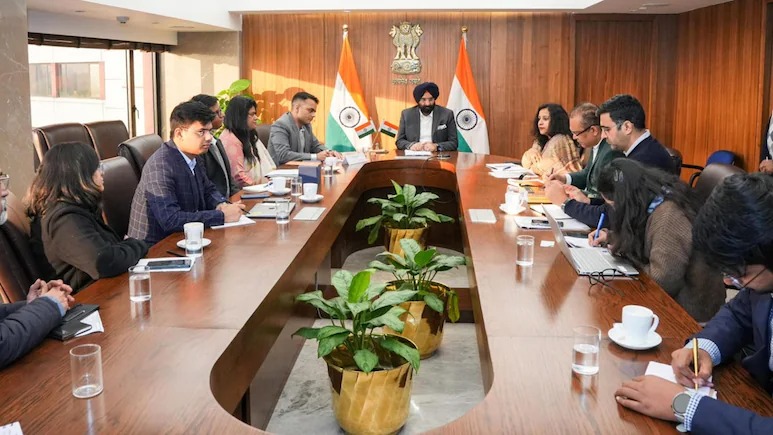
New Delhi: The Delhi government has renewed its focus on carpooling and ride sharing as part of a broader strategy to tackle traffic congestion and rising vehicular pollution in the national capital. In a high level meeting with major mobility aggregators including Ola, Uber and Rapido, the government signalled a strong intent to bring back shared travel options on a large scale.
The discussions were chaired by Environment Minister Manjinder Singh Sirsa, who urged aggregators to restart ride sharing services at the earliest and begin preparations for a dedicated carpooling framework. He emphasised that expanding shared mobility could significantly reduce the number of vehicles on Delhi’s roads and contribute to lower pollution levels. Citizens were also encouraged to actively opt for shared rides to support the city’s environmental goals.
Officials indicated that ride sharing, which allows multiple passengers to book the same cab for similar routes, is likely to resume soon. Aggregators informed the government that certain technical and operational adjustments are required before relaunching the feature. They have been asked to complete the process and ensure a full rollout within a month.
Carpooling, however, will be treated differently from commercial ride sharing. The government clarified that it will be considered a non commercial shared mobility option. Aggregators have been directed to start developing in app carpooling features or independent platforms, while the Transport Department examines the legal framework needed to regulate and enable such services in Delhi.
The meeting also addressed the growing dependence on private vehicles. Aggregators were encouraged to expand bus and shuttle services, particularly along office routes and high demand corridors, to reduce peak hour congestion and improve last mile connectivity.
Electric mobility formed a key part of the discussions. The government is exploring the possibility of allowing privately registered electric vehicles to operate on aggregator platforms without the need for commercial permits or registration fees. The Transport Department has been tasked with assessing the legal, safety and insurance implications of this move.
Aggregators were further advised to promote green ride options, highlight emission savings within their apps and share route specific data to help authorities identify congestion hotspots. The initiative aligns with the government’s wider efforts to curb pollution through measures targeting vehicular emissions, industrial activity, dust control and waste management.
Sorry, there was a YouTube error.