Team Goemkarponn
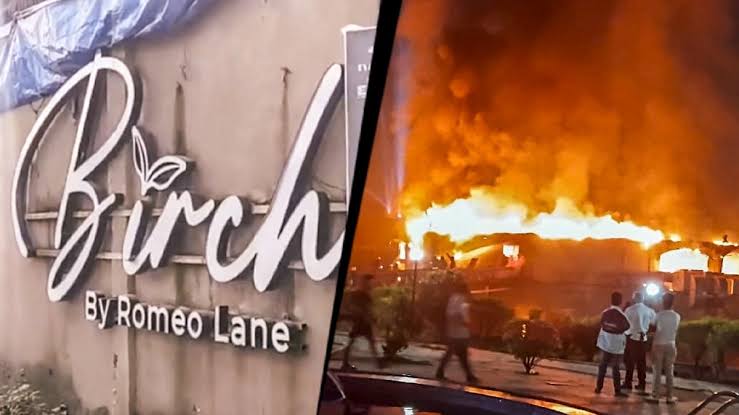
Panaji: The magisterial inquiry into the deadly fire at the Birch by Romeo Lane nightclub has uncovered serious and long-standing violations of fire safety norms, widening the scope of accountability and placing Goa’s regulatory and enforcement machinery under intense scrutiny.
The tragedy, which claimed 25 lives in North Goa, is now being linked to years of systemic lapses rather than isolated failures.
The inquiry has revealed that none of the clubs operating at Birch by Romeo Lane, nor the restaurants that functioned at the premises earlier, had ever obtained the mandatory Fire No Objection Certificate (NOC).
Instead, the establishments allegedly continued operations by misusing a Fire NOC issued to the neighbouring Maison Resort, without securing separate approvals as mandated under fire safety regulations.
The report notes that this grave irregularity has allegedly persisted since 2004, pointing to prolonged regulatory neglect and weak compliance monitoring.
In addition to the NOC misuse, the inquiry found that fire safety inspections conducted over the years were grossly inadequate.
Inspection reports reportedly contained incorrect details of the premises and failed to properly assess essential safety requirements such as firefighting equipment, water storage, emergency exits and evacuation preparedness. Despite these deficiencies, the establishments were allowed to function uninterrupted.
The role of the Directorate of Fire and Emergency Services has also come under question, with the committee observing that although the department possesses legal authority to take preventive and punitive action, such powers were not exercised effectively.
The inquiry further noted that several commercial establishments in the surrounding area were operating for years without valid fire safety clearances, suggesting a broader pattern of lax enforcement.
The magisterial panel has recommended a comprehensive internal inquiry into the inspection and clearance process, introduction of random and surprise fire safety checks, and strengthening of existing laws to impose stringent penalties on violators. It stressed that fire safety compliance must go beyond paperwork and translate into real, on-ground enforcement.