Team Goemkarponn
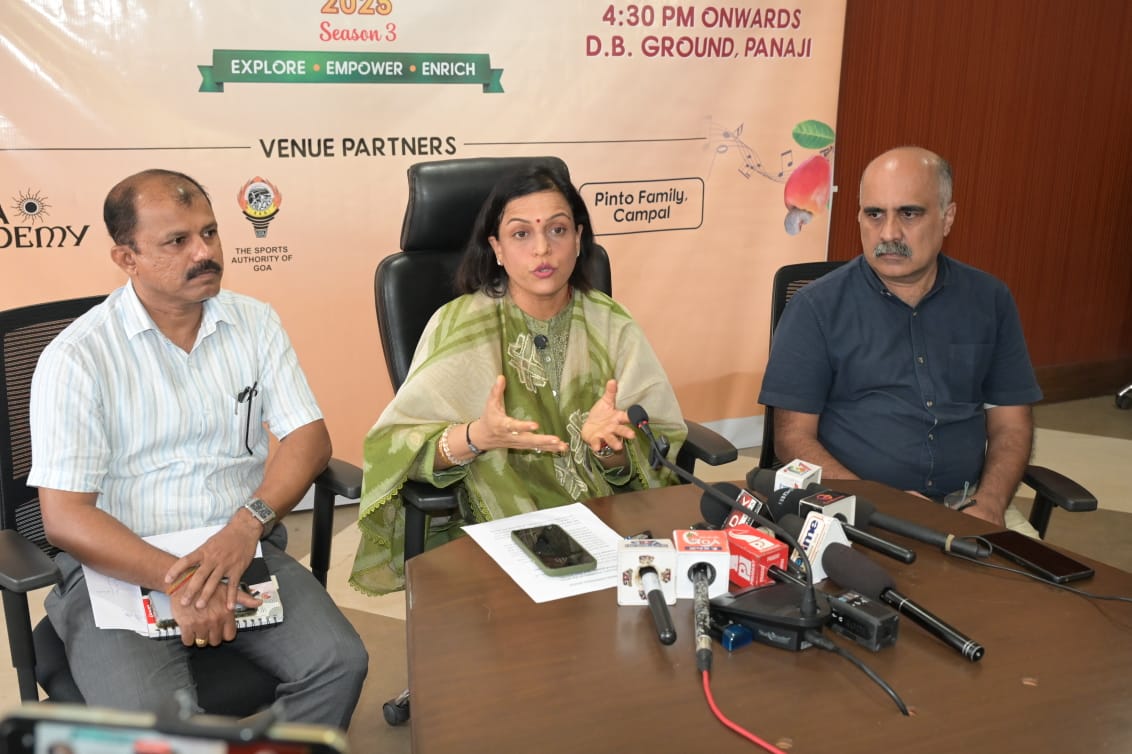
PANAJI: In a bid to revive Goa’s declining cashew industry, the Goa Forest Development Corporation (GFDC) has announced plans to rejuvenate 280 hectares of cashew plantations this year, with a larger goal of covering an additional 1,500 hectares over the next two years. GFDC Chairperson Deviya Rane said the initiative is crucial to boosting productivity and preserving the State’s rich cashew heritage.
Cashew yields in Goa currently stand at approximately 430 kg per hectare, significantly below the national average of 750 kg. Rane attributed this downward trend to the erosion of traditional farming methods and a widespread lack of technical knowledge among cultivators. “Goa’s cashew is known for its distinctive size and flavour, but without sustained efforts, we risk losing this identity,” she said.
Of GFDC’s total 6,500 hectares of cashew plantations, large portions have been left unattended for years. A rejuvenation programme began in 2021, initially covering 70 hectares. Since then, 450 hectares have been brought under renewed cultivation, and the area is expanding steadily.
To bolster this revival effort, GFDC is also set to host the third edition of its flagship Cashew Fest from April 25 to 27. The event aims to celebrate the entire value chain of the cashew industry—from farming to the traditional distillation of feni. “The festival provides a platform for farmers, self-help groups, bhatti workers, and distillers who are central to this legacy,” Rane said, adding that only cashew-based beverages will be featured at the event, reinforcing the festival’s theme of local pride.
Alongside rejuvenation, GFDC is focusing on farmer education, particularly in crop care and pest management. The Corporation is also coordinating with the State’s Horticulture Corporation to tap into Central government schemes that could support Goan farmers.
Rane highlighted regional variations in productivity, noting that talukas such as Canacona, Quepem, Ponda, Pernem, and Sattari perform better, thanks to greater awareness and training opportunities.
The festival has also become a platform to spotlight feni—Goa’s GI-tagged indigenous liquor—which is now gaining recognition in global markets. “Producers like Gurudatta Bhakta and distilleries such as Kajgar are putting feni on the export map,” she said. “What was once seen as the poor man’s drink is now earning a place on international shelves.”