Team Goemkarponn
PANAJI: As temperatures climb across the state, increasing water consumption has begun to impact reservoir storage, with several major dams nearing or slipping below the 50 per cent mark.
Despite the decline, officials from the Water Resources Department (WRD) have assured that the overall situation remains stable and manageable.
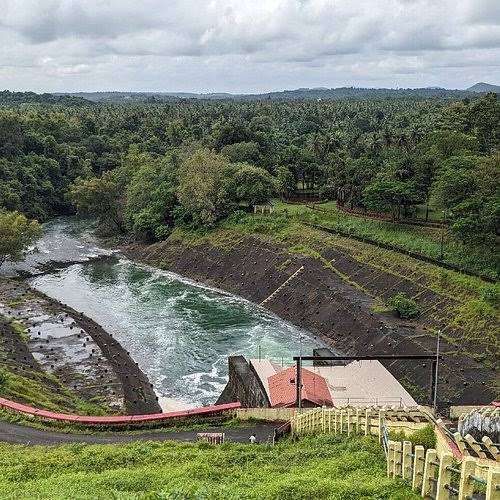
According to recent WRD data, the Selaulim dam — the main source of drinking water for South Goa — is currently at 53 per cent capacity. In North Goa, the Tillari reservoir has reached the halfway level at 50 per cent. Meanwhile, Chapoli in Canacona and the smaller Gaunem reservoir are in a relatively better position, recording 58 per cent and 59 per cent storage, respectively.
However, some areas are witnessing sharper drops. The Anjunem reservoir, which supplies water to Sattari and parts of Bicholim, has fallen to 36 per cent. The Amthane dam, serving Bardez, Pernem, and sections of Bicholim, has the lowest level among key reservoirs at 33 per cent. Panchwadi currently stands at 46 per cent.
With April and May marking the peak summer period, water usage is expected to increase further. Higher domestic demand along with tourism-related consumption is likely to add pressure on available resources.
Even so, officials remain confident. A senior WRD officer stated that reservoir levels are being monitored closely on a daily basis, noting that seasonal declines due to increased usage and evaporation are typical during this time of year and not yet a cause for alarm.
The department has also kept contingency plans ready, including regulated supply and efficient management between reservoirs if required. Officials emphasized that current reserves are sufficient to meet the state’s needs through the summer months.
There is also hope that pre-monsoon showers may bring some relief. Authorities pointed out that even light rainfall in the coming weeks could help stabilise water levels and reduce the strain on reservoirs.