


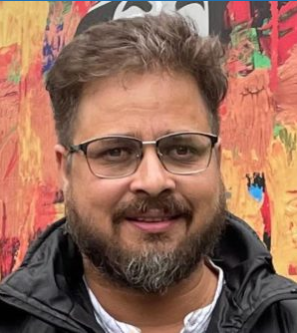
In recent days, Goa has witnessed an unusual surge of coordinated social media activity, targeting Chief Minister Dr. Pramod Sawant. Allegations of a paid digital campaign, fueled by bot accounts and questionable influencers, have now drawn national attention.
Prominent commentator Shefali Vaidya has raised the alarm, asserting that these attacks are not merely organic expressions of dissent but are potentially orchestrated sabotage from within the Bharatiya Janata Party (BJP) itself.
The specific allegations are grave. Vaidya points to a sudden spike in hashtags like #SawantFailedGoaLawAndOrder, allegedly pushed by non-Goan accounts with low credibility and engagement. More disturbingly, she hints that the campaign is not just politically motivated from the outside, but is also supported—perhaps even initiated—by factions within the BJP who are seeking to destabilise the CM’s leadership.
If true, this is more than just a digital storm; it is an indictment of the factionalism that could undermine the stability of the ruling party and governance in Goa.
Digital dissent is not new in India’s political landscape. Social media has democratised political discourse, allowing citizens to express criticism, demand accountability, and push for change. But there’s a line between legitimate criticism and a carefully engineered perception war.
The nature of this campaign—the bot-like activity, the repetitive messaging, and the non-local profiles—suggests this may not be the voice of the people, but the playbook of political operatives with vested interests.
If the attacks on Dr. Sawant’s leadership are being manufactured, we must ask: who benefits? Goa has always been a complex political terrain. With its unique blend of regional pride, tourism-dependent economy, and shifting political loyalties, leadership in Goa requires both administrative competence and a sensitive ear to the ground. Dr. Sawant, who took over after the demise of Manohar Parrikar, has held his ground amidst several storms—from COVID-19 management to tourism sector woes, and now, law and order issues.
While his tenure hasn’t been free of criticism, orchestrated internal sabotage—if proven—would suggest that some in the BJP are prioritising power plays over stability.
This is not the first time a campaign targeting Goa’s image and governance has surfaced. Earlier, similar digital disinformation was spread about Goa’s tourism industry, potentially harming one of the state’s economic lifelines.
The pattern here is disturbing. What begins as a hashtag war ends up influencing public perception, shaping headlines, and sometimes, even affecting electoral outcomes.
What’s more troubling is the internal silence. If Shefali Vaidya’s claims are accurate, the BJP’s central and state leadership must ask difficult questions: Are there rogue elements within the party actively working against its own CM?
Why hasn’t there been a clearer investigation or repudiation of these coordinated smear efforts? Allowing such fissures to grow unchecked will not only harm Dr. Sawant, but also damage the BJP’s credibility in Goa—especially with assembly elections a few years away.
Moreover, the Goa BJP must realise that internal divisions aired via external proxy battles only weaken the collective mandate given by the people. If there are grievances, they must be addressed within party forums—not via bots and social media warfare. Using paid trends to dislodge leaders sets a dangerous precedent, where governance becomes secondary to political gaming.
For the sake of Goa’s political stability and BJP’s own integrity, this matter deserves urgent introspection. Transparency, accountability, and unity should be non-negotiable—both online and offline. If digital manipulation is allowed to replace real political dialogue, we risk trading democracy for a dangerous mirage.
In the end, this controversy should serve as a wake-up call—not just to BJP’s leadership in Goa, but to Indian politics at large. Power struggles may be inevitable, but how they are fought will define the future of political discourse. Goa deserves better than a proxy war waged on Twitter. It deserves leadership grounded in service, not sabotage.
Sorry, there was a YouTube error.
