Suraj Nandrekar
When a matter as serious as wildlife conservation reaches India’s highest court, the natural expectation is that all stakeholders will engage in good faith with the scientific evidence and legal frameworks on offer. Instead, the Goa government’s blunt dismissal of the Central Empowered Committee’s recommendation to notify a tiger reserve in the state has exposed deeper problems in how environmental priorities are negotiated and interpreted. The government’s response, calling the report “vague” and lacking scientific rigour, raises legitimate questions — but it also reveals a worrying tendency to prioritise political positioning over ecological stewardship.
At the heart of the dispute is the proposal to designate parts of the Cotigao-Mhadei forest complex in Goa as a tiger reserve — a step recommended by a court-appointed committee after long deliberation. For conservationists, a reserve would not only help protect an endangered species but also strengthen broader habitat corridors that allow wildlife to move between protected areas across state borders. Declare a tiger reserve, and the area gains stronger legal protection and dedicated funding, enhancing anti-poaching patrols, scientific monitoring and community livelihood programmes that align with long-term ecosystem health.
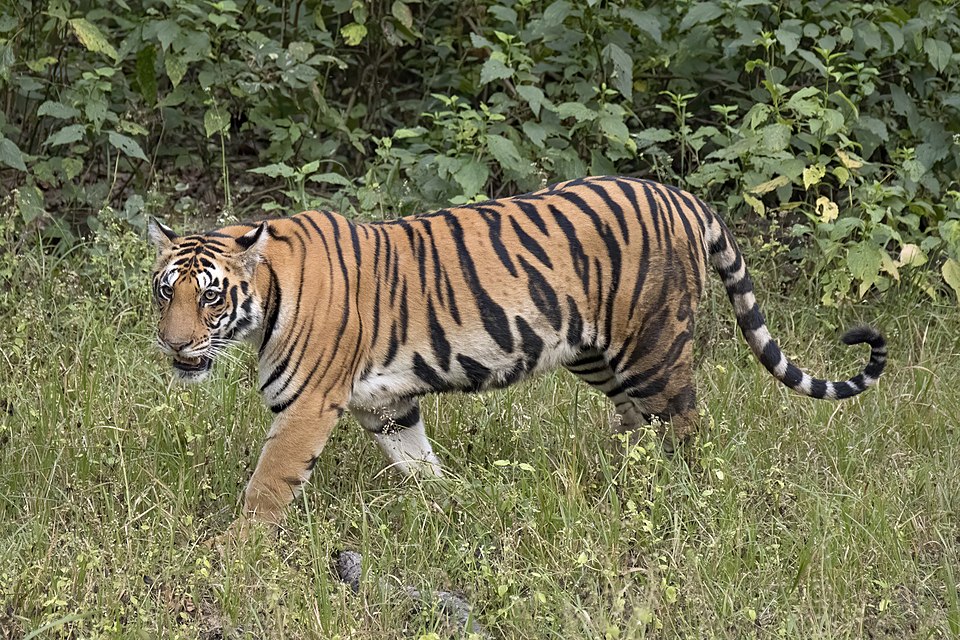
The government’s counterargument centres on its assertion that there are no resident or breeding tiger populations in Goa. On the surface, this sounds like a fair point: tiger reserves are meant to safeguard thriving populations, not merely scenic forested areas. But this interpretation is myopic. Tigers do not respect artificial boundaries; their survival depends on habitat connectivity. The presence of transient animals moving through Goa’s protected forests indicates that the state sits within a larger ecological matrix. Protecting those corridors could be as crucial as safeguarding resident populations in core tiger landscapes elsewhere.
Instead of engaging with the underlying ecological reality, the state government has leaned heavily on semantics. The report is criticised for allegedly overstepping its remit and for failing to measure local habitation impact. But conservation planning must account for people and wildlife alike; dismissing concerns about local residents without proposing constructive alternatives does little to foster trust. Protecting wildlife should not mean sidelining human interests — precisely the point that integrated conservation strategies try to address.
The government’s insistence that existing sanctuaries and protected areas already provide sufficient safeguards is equally hollow. Legal designation matters because it comes with stronger management plans, sustainable financing and a level of national commitment that ordinary protected status cannot guarantee. Choosing to remain within the comfort zone of existing designations is tantamount to incrementalism in the face of an urgent crisis.
Part of the government’s pushback also reflects fear — fear of potential restrictions on land use, developmental pushback from local communities, and another layer of regulatory oversight. These concerns cannot be dismissed out of hand; they deserve thoughtful engagement. But rejecting an entire proposal on the basis that it might trigger “resentment” or “human-animal conflict” without offering a credible mitigation strategy is political avoidance, not environmental leadership.
The bigger issue here is not just about tigers. It is about Goa’s role in a rapidly changing ecological landscape, where habitats are shrinking, extreme weather events are increasing, and development pressures tug relentlessly at fragile ecosystems. What Goa needs is not a binary choice between development and conservation but a framework where both can co-exist sustainably. A tiger reserve could have been a catalyst for bringing together scientists, tribal and forest communities, policy makers and civil society to forge such a framework. Instead, the dismissal of the CEC report risks sidelining serious discourse in favour of defensive posturing.
There are no easy answers in conservation. But shrinking from bold, science-based proposals only accelerates environmental degradation. If Goa truly cares about its forests, its wildlife and its future generations, it must step beyond reflexive rejection and engage in collaborative, evidence-driven planning. Otherwise, the real loss will not be a proposed tiger reserve on paper — it will be a missed opportunity to secure a meaningful conservation legacy for the state.