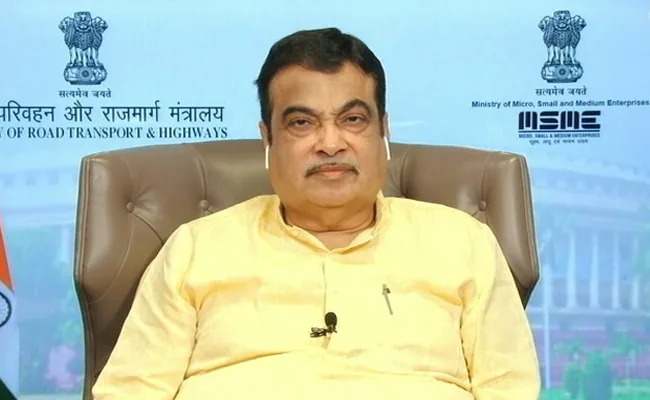
New Delhi: A nationwide GPS based toll collection system will become fully operational by the end of 2026, bringing an end to waiting time at toll plazas and significantly improving travel efficiency on national highways. The new system will rely on satellite technology and artificial intelligence, allowing vehicles to pass through toll points without stopping.
The road transport and highways minister informed Parliament that the upcoming system will be an advanced form of multi lane free flow tolling. Vehicles will be able to cross toll points at speeds of up to 80 kilometres per hour without barriers or manual intervention. The technology will combine satellite tracking, automatic number plate recognition supported by AI, and existing FASTag infrastructure to ensure seamless toll collection.
According to the minister, the move will generate substantial economic benefits. Fuel savings alone are expected to reach nearly Rs 1,500 crore, while government revenue is projected to increase by about Rs 6,000 crore. The system is also expected to eliminate toll leakage and improve transparency in collections.
The government highlighted that earlier toll systems required vehicles to stop for several minutes, which was later reduced with the introduction of FASTag. The new GPS based model aims to reduce waiting time to zero, further cutting travel delays and fuel consumption. Faster movement of vehicles is expected to enhance productivity and improve the overall commuting experience for highway users.
The minister assured Parliament that strict action would be taken against contractors involved in malpractices. Contractors found failing to meet standards or engaging in irregularities will be barred from bidding for new projects for two years. The focus, he said, is to make toll operations transparent and free from corruption.
Clarifying responsibilities, the minister stated that the central government oversees only national highways, while state highways and city roads fall under state authorities. However, efforts are being made to improve public understanding and accountability.
In a written reply, the government explained that the barrier free tolling system will be implemented in phases, based on the performance of ongoing pilot projects. Apart from reducing congestion, the system is expected to lower operational and maintenance costs by eliminating physical toll booths, reducing manpower needs, and cutting infrastructure expenses.
Once fully implemented, the GPS based toll system is expected to transform highway travel across the country by making it faster, cleaner, and more efficient.
Sorry, there was a YouTube error.