New Delhi: The World Bank has slightly raised India’s economic growth forecast for the financial year 2026 to 2027 to 6.6 percent, while cautioning that geopolitical tensions in the Middle East could create challenges for the country’s economic momentum.
In its latest South Asia economic assessment, the global financial institution noted that India’s economy continues to show resilience, supported by strong domestic demand and stable exports. The report estimates that the country’s growth accelerated from 7.1 percent in the financial year 2024 to 2025 to about 7.6 percent in 2025 to 2026.
A key driver of this growth has been the strength of private consumption. Lower inflation levels and the rationalisation of the Goods and Services Tax have supported household spending and helped maintain steady demand across sectors. The reduction in GST rates is also expected to provide a further boost to consumer demand during the early months of the 2026 to 2027 fiscal year.
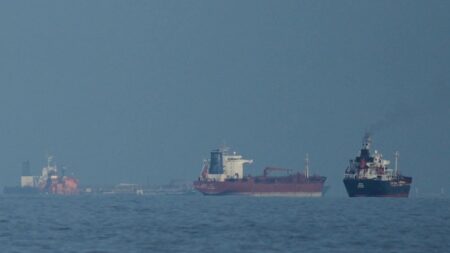
However, the outlook for the coming year remains cautious. The growth rate is projected to moderate to 6.6 percent in FY27 due to uncertainties linked to the conflict in the Middle East. Rising global energy prices resulting from the crisis could increase inflationary pressure and reduce disposable income for households.
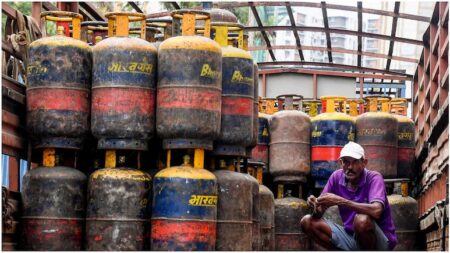
Government spending growth is also expected to slow as higher subsidies for cooking fuel and fertilisers increase fiscal commitments. At the same time, investment activity may face moderation as businesses navigate higher input costs and global uncertainties.
Export performance could also encounter headwinds. Although improved access to markets such as the United States and the European Union offers opportunities for Indian goods, slower economic growth in major trading partners may limit demand.
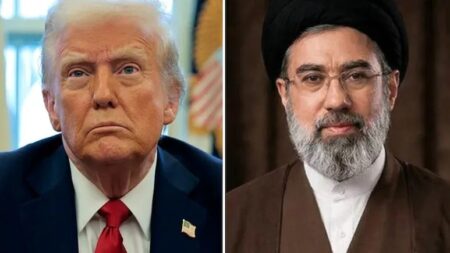
The report highlighted that the impact of the Middle East conflict remains uncertain. The tensions intensified after military strikes on Iran by the United States and Israel earlier this year, which triggered retaliatory actions and disrupted global energy markets. A temporary ceasefire agreement was later reached, but its long term economic effects remain unclear.
Sorry, there was a YouTube error.