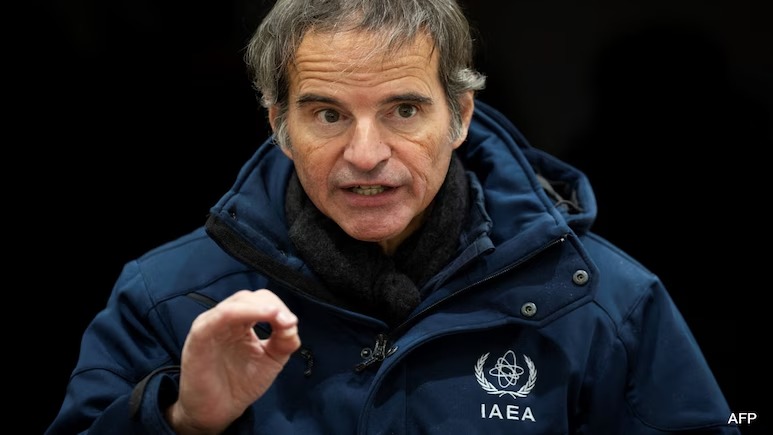
New Delhi: Rafael Mariano Grossi, Director General of the International Atomic Energy Agency, has praised India for achieving a major milestone in its nuclear energy programme with the successful attainment of criticality at the Prototype Fast Breeder Reactor in Kalpakkam.
The achievement marks a significant advancement in India’s indigenous nuclear technology and its efforts to secure long term energy sustainability. In a message shared on social media, Grossi described the development as impressive progress and highlighted the importance of the reactor in advancing fuel sustainability and the future of nuclear energy.
He also reiterated the International Atomic Energy Agency’s commitment to supporting the safe and secure growth of India’s nuclear programme and extended congratulations to Narendra Modi on the accomplishment.
Reaching criticality is a key technical milestone for any nuclear reactor. It indicates that the nuclear chain reaction has become self sustaining, allowing the reactor to generate more fuel than it consumes. This capability is particularly important for fast breeder reactors, which are designed to improve fuel efficiency and support long term nuclear energy production.
The Kalpakkam reactor plays a central role in India’s three stage nuclear power strategy. The programme is aimed at utilising the country’s vast thorium reserves while reducing dependence on imported uranium. By producing additional fuel during operation, the reactor helps strengthen India’s ability to maintain a stable and sustainable nuclear energy supply.
Experts consider the Prototype Fast Breeder Reactor a crucial step toward commercial fast breeder technology, which could significantly contribute to meeting India’s growing energy demands with clean and reliable power sources.
The milestone also highlights India’s expanding expertise in advanced reactor technology and its focus on maintaining strong safety and security standards. With continued cooperation from the International Atomic Energy Agency, the achievement is expected to further strengthen India’s position in the global nuclear energy sector and encourage greater collaboration in research, training and technology development.
Sorry, there was a YouTube error.