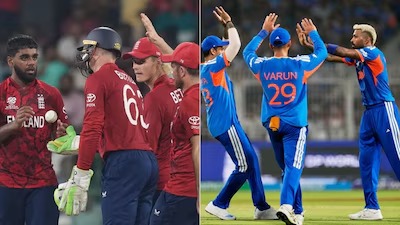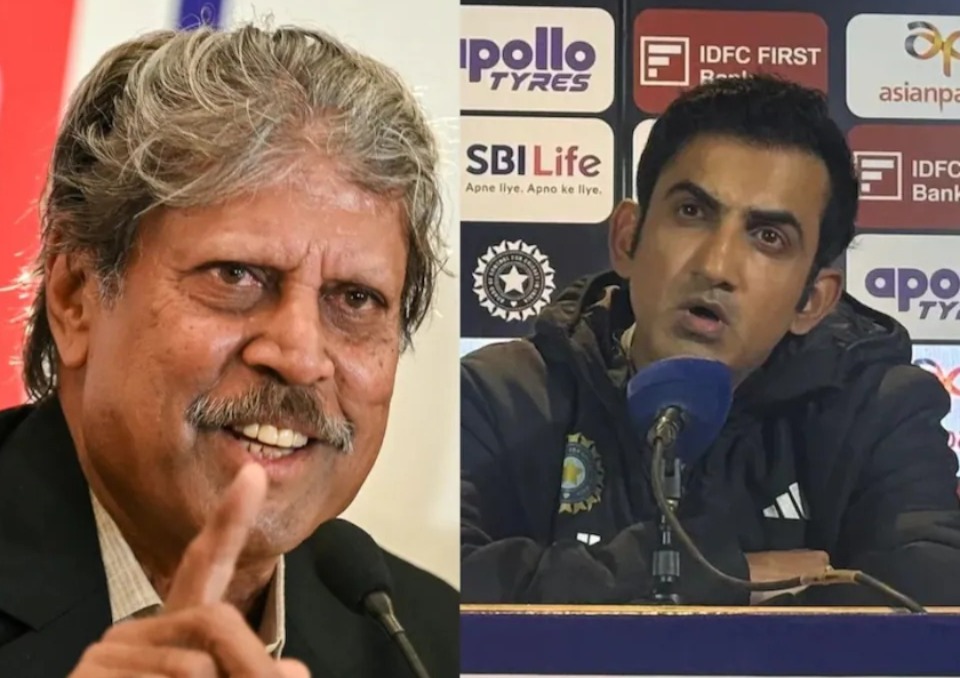
New Delhi: The role of a head coach in modern international cricket has evolved far beyond technical instruction, with leadership and player management now seen as the core responsibility. This perspective has gained attention amid growing scrutiny of India’s recent performances and the working style of head coach Gautam Gambhir following the team’s 0–2 Test series defeat in South Africa.
The debate centres on the idea that elite cricketers at the international level no longer require traditional coaching in skills they have already mastered over years of professional competition. Instead, the focus has shifted to managing personalities, maintaining morale, and creating an environment where players feel supported even during lean periods.
The argument suggests that a head coach cannot realistically instruct specialists across every discipline, whether it is leg spin, fast bowling, or wicketkeeping. At this level, players arrive fully formed in their craft. What they need is reassurance, clarity of roles, and trust, especially when form dips or selections are questioned. This is where the modern coach operates more as a manager than a hands-on trainer.
Leadership, in this view, is about providing comfort rather than criticism. Players who are struggling often require more attention than those who are performing well. Confidence can quickly erode at the highest level, and restoring belief becomes a critical task for those in charge. Encouragement and personal support are seen as more valuable than technical advice in such moments.
This philosophy also extends to captaincy. A leader’s responsibility goes beyond individual performance and tactical decisions on the field. Bringing the group together, understanding personalities, and standing by players through difficult phases are essential to building a resilient team culture.
The ongoing discussion reflects a broader shift in how success is shaped in modern cricket. While tactics and selection remain important, the ability to manage egos, pressure, and expectations has become just as decisive. In an era of packed schedules and intense scrutiny, the strength of leadership off the field can often determine outcomes on it.
Sorry, there was a YouTube error.