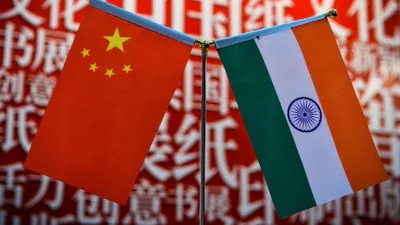
New Delhi: Trade between India and China climbed to an all time high of 155 billion US dollars in 2025, reflecting a strong revival in economic engagement between the two Asian neighbours. The record figure represents an annual growth of more than twelve percent and indicates that commercial links are moving ahead despite past political tensions.
Chinese diplomatic representatives in India highlighted that relations between the two countries have entered a new and improved phase following high level political dialogue in recent months. The meeting between the leadership of both nations in Tianjin last year was described as a turning point that helped move ties from a phase of reset to one of constructive cooperation. Since then, interactions at governmental and business levels have increased noticeably.
India’s exports to China also showed encouraging momentum with growth of nearly ten percent during the year, underlining the expanding potential for two way commerce. Officials from both sides expressed confidence that the complementary strengths of the two economies could support much larger volumes of trade in the coming years.
Beijing has conveyed support for India’s presidency of the BRICS grouping and signalled willingness to coordinate closely with New Delhi on global and regional issues. Both countries have spoken about the importance of working together to promote the interests of developing nations and to strengthen multilateral institutions.
Chinese officials noted that their focus on self reliance resonates with India’s own vision of building domestic capabilities. Emphasis was placed on drawing from the civilisational values of both nations and treating each other as partners in growth rather than competitors. There is also a push to align development strategies so that cooperation creates broader benefits for businesses and citizens on both sides.
Relations between India and China had faced severe strain after the Galwan Valley clashes in 2020, which led to years of military and diplomatic tension. The prolonged standoff finally eased in late 2024 after a series of disengagement agreements. Since then, both governments have taken gradual steps to rebuild trust through dialogue, people to people contacts and renewed economic engagement.
The surge in trade is being viewed as a concrete sign that the relationship is moving toward stability. Policymakers believe that sustained economic cooperation, combined with careful management of border issues, can lay the foundation for a more predictable and mutually beneficial partnership in the years ahead.
Sorry, there was a YouTube error.