New Delhi: The Government of India has classified energy related data as a matter of national security amid a severe global supply crisis triggered by the ongoing conflict in West Asia. The decision comes as disruptions in global oil and gas supplies threaten economic stability and energy availability.
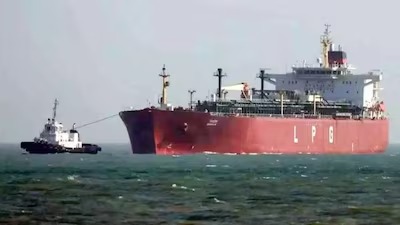
The crisis escalated after the closure of the Strait of Hormuz, one of the world’s most critical shipping routes for crude oil and liquefied natural gas. Nearly 20 percent of global oil and LNG shipments usually pass through this narrow waterway. The conflict has also seen drone and missile attacks damage major refineries and oil fields in countries such as Saudi Arabia, Kuwait and Israel, further tightening supply. The International Energy Agency has described the situation as the largest oil supply disruption in modern history.
The crisis has significantly affected India’s energy imports. India depends heavily on foreign energy supplies, importing about 88 percent of its crude oil, half of its natural gas and around 60 percent of its LPG. A large share of these imports passes through the Strait of Hormuz, making the country vulnerable to disruptions in the region.
Global oil prices have surged beyond 100 dollars per barrel, at times reaching 126 dollars, driving inflation and weakening currencies in several economies. Countries including Sri Lanka and Philippines have already introduced fuel rationing and other conservation measures as shortages deepen.
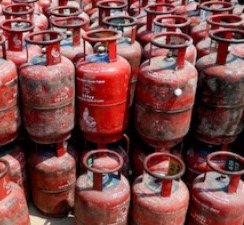
In India, LPG supplies have come under strain. The price of a standard 14.2 kilogram domestic cylinder was increased by ₹60 to ₹913 in Delhi in early March, while commercial cylinders saw a larger hike. To prevent hoarding, the government introduced waiting periods between bookings and reduced LPG allocations for commercial users.
By classifying energy data under national security, the government can centralise information about production, imports, storage and distribution. This allows authorities to monitor supply in real time, prioritise essential sectors such as household LPG, power generation and fertiliser production, and respond quickly during emergencies.
The classification also gives the government wider legal powers. Under provisions of the Right to Information Act, 2005 and the Official Secrets Act, 1923, sensitive information can be withheld from public disclosure, and unauthorised sharing of such data may lead to strict penalties. The move is intended to strengthen crisis management and protect critical energy infrastructure during a period of global uncertainty.