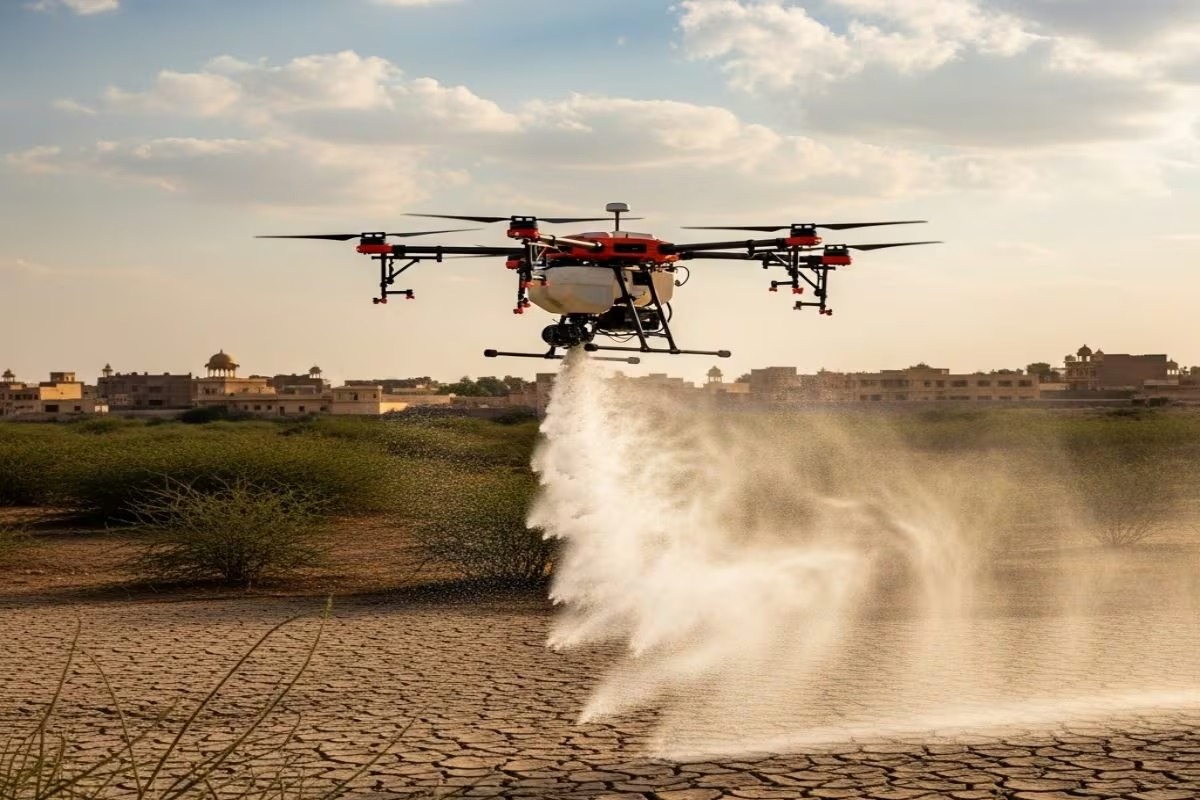
Jaipur: In a landmark move to combat drought, India on Tuesday launched its first-ever drone-based artificial rain trial in the Ramgarh Dam area of Jaipur. The initiative, aimed at boosting Rajasthan’s agriculture sector, marks a shift from traditional aircraft-based cloud seeding to a more precise and localized drone-based approach.
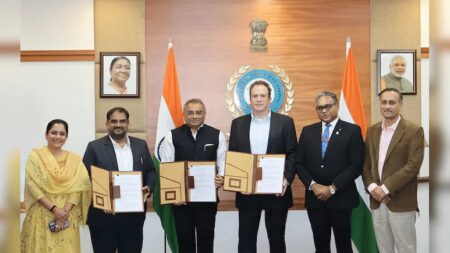
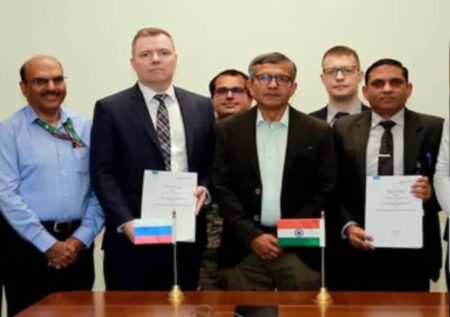
Agriculture Minister Dr. Kirodi Lal Meena inaugurated the pilot project at 2 pm, with industry experts and scientists present to oversee the historic launch. The trial, a collaboration between the Rajasthan Agriculture Department and US–Bengaluru-based technology firm GenX AI, will see 60 cloud-seeding drone flights conducted over the Ramgarh region.
Until now, artificial rain efforts in India have relied solely on aircraft, covering vast areas with mixed results. This trial, however, focuses on smaller, targeted zones, with drones expected to offer better control and efficiency. A team of scientists has been in Jaipur for days, conducting preliminary tests, and locals were invited to witness the event.
How Drone Cloud Seeding Works
The process involves dispersing substances such as silver iodide, sodium chloride, or dry ice into clouds. These act as condensation nuclei, allowing moisture to cluster into heavier droplets that eventually fall as rain. While cloud seeding has been used globally, its success depends on adequate moisture in the clouds.
In Rajasthan, previous attempts have seen varied outcomes. A ₹10-crore cloud-seeding operation at Bhaisunda Dam in Chittorgarh two years ago — conducted with aircraft — failed to produce rainfall despite chemical dispersal. Officials are hopeful that drones, with their ability to pinpoint specific locations, will improve efficiency and make artificial rain a viable tool for drought-prone areas.