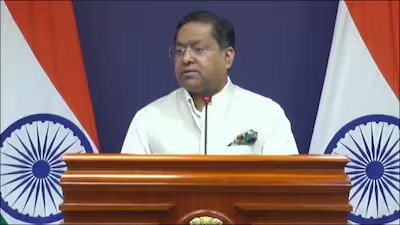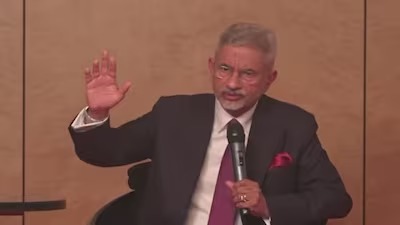
New Delhi: India’s External Affairs Minister S. Jaishankar delivered a sharp response to reports about Pakistan’s role in diplomatic communications related to the West Asia crisis, stating during an all party meeting that India does not function as a “broker country” in international affairs.
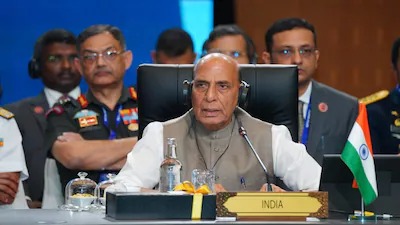
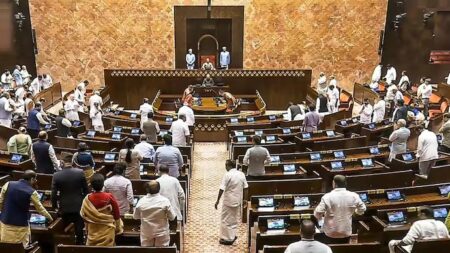
The remark was made during a government briefing attended by leaders from across the political spectrum to discuss the evolving geopolitical situation in West Asia and its implications for India. The meeting, chaired by Defence Minister Rajnath Singh, focused on the diplomatic, economic and strategic consequences of the ongoing tensions involving Iran, Israel and the United States.
During the discussion, opposition leaders raised questions about reports suggesting that Pakistan had been involved in backchannel communication between Iran and the United States. Responding to these concerns, Jaishankar clarified that India’s diplomatic approach does not involve acting as an intermediary in conflicts between other nations.
According to sources present at the meeting, the minister also noted that Pakistan’s involvement in mediation in the region is not a recent development and has occurred periodically since the early 1980s. His remarks were seen as an effort to underline the distinction between India’s strategic diplomatic position and Pakistan’s engagement in such roles.
The meeting also reviewed India’s preparedness to handle potential disruptions caused by the conflict in West Asia. Ministers briefed leaders on the country’s energy security, assuring them that India currently has sufficient stocks of fuel and liquefied petroleum gas to meet domestic demand.
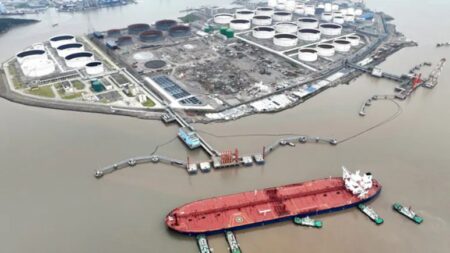
Officials indicated that additional shipments carrying energy supplies are already on their way to India, while contingency plans have been prepared to address possible disruptions in maritime routes, particularly through the Strait of Hormuz, a vital corridor for global oil transport.
Opposition leaders, however, called for a broader discussion on the issue in Parliament rather than only a briefing session. They also raised concerns about India’s strategic reserves, evacuation plans for citizens living in the region and the possible long term effects of the crisis on crude oil prices, fertiliser imports and international trade routes.
Earlier, Prime Minister Narendra Modi had warned in Parliament that the conflict in West Asia could have significant and lasting consequences for India as well as the global economy. In response, the government has set up multiple groups to monitor developments and manage potential impacts on fuel supply, logistics, trade and essential commodities.