New Delhi: India has initiated diplomatic discussions with Iran to ensure the safe passage of nearly 28 Indian flagged merchant vessels currently stranded around the Strait of Hormuz as tensions continue to escalate in West Asia.
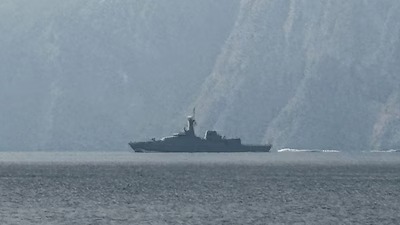
The crucial maritime corridor has witnessed a significant disruption in commercial shipping in recent days following intensified military activity linked to the ongoing conflict involving Iran, Israel and the United States. For the past several days, commercial tankers carrying the Indian flag have reportedly been unable to transit through the strait, leaving multiple vessels awaiting clearance.
The situation has raised concerns over the safety of seafarers as well as the stability of vital energy supply routes. Recent maritime incidents in the Persian Gulf have already resulted in casualties among Indian crew members. Three seafarers have lost their lives, another remains missing, and several others have been injured after attacks targeting tankers and bulk carriers in the region.
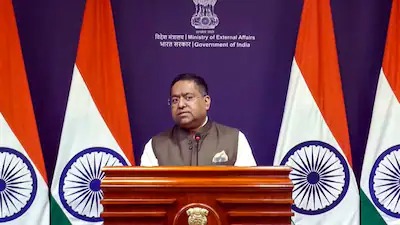
Diplomatic engagement between New Delhi and Tehran has increased in response to the growing crisis. Discussions have focused on safeguarding maritime navigation and protecting energy shipments that pass through the strategically important waterway. Conversations at the ministerial level have also addressed the security risks facing commercial vessels operating in the region.
Authorities are closely monitoring Indian ships positioned on both sides of the strait. Twenty four Indian flagged vessels carrying 677 Indian crew members are currently located west of the corridor, while four additional vessels with 101 crew members are stationed east of it. In addition, dozens of Indian seafarers are serving on foreign flagged ships that have recently encountered security incidents in the Gulf.
India has strongly criticised attacks on commercial vessels operating in international waters and stressed the need to protect civilian crews and maintain freedom of navigation.
The disruption in the Strait of Hormuz, a vital global energy route responsible for transporting roughly one fifth of the world’s oil and gas supplies, has also triggered a surge in global energy prices as uncertainty continues to grow across the region.