New Delhi: India has expanded its crude oil sourcing network to 40 countries as the blockade of the Strait of Hormuz disrupts global energy supply routes. The move is aimed at strengthening the country’s energy security as tensions continue during the conflict involving Iran, the United States and Israel.
Government data indicates that about 60 percent of India’s crude imports now arrive through alternate corridors rather than the traditional shipping route. The change represents a major shift from the country’s decade long reliance on around 27 suppliers, as authorities move to diversify supply chains and reduce vulnerability to disruptions.
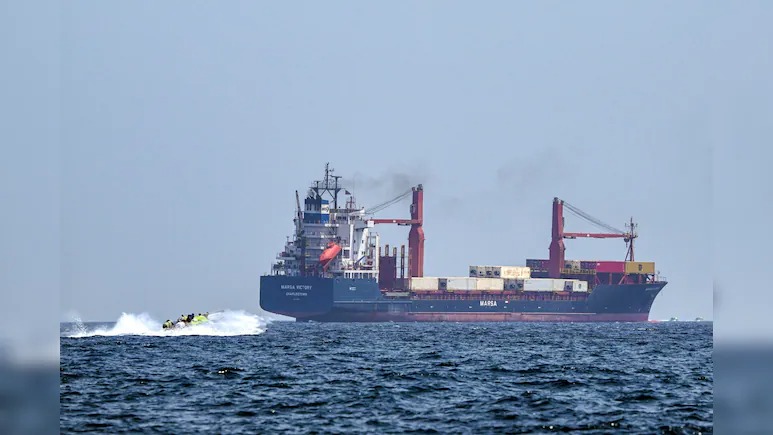
The Strait of Hormuz is a narrow maritime passage connecting the Persian Gulf with the Gulf of Oman and is one of the world’s most critical oil transit routes. Nearly one fifth of global oil and natural gas shipments normally pass through this corridor. However, Iranian attacks linked to the ongoing war have severely disrupted shipping, effectively halting the movement of tankers through the strait.
Officials said there is little likelihood that shipments through the strait will resume in the immediate future. As a result, India has accelerated procurement through alternative routes. Earlier, about 55 percent of supplies came from outside the corridor, but this share has now increased to nearly 70 percent as the country strengthens its energy supply network.
India currently imports oil and energy resources from a wide range of countries across multiple regions, including Algeria, Angola, Argentina, Australia, Brazil, Canada, Iraq, Kuwait, Nigeria, Norway, Qatar, Saudi Arabia, United Arab Emirates, United Kingdom, United States and Venezuela.
Russia continues to remain a major supplier of crude oil to India. Recent figures show that imports from Russia account for roughly 20 percent of the country’s supply, helping maintain stability in the energy market despite disruptions in traditional routes.
India also maintains substantial fuel reserves to cushion against supply shocks. In the Rajya Sabha, Minister of State for Petroleum and Natural Gas Suresh Gopi stated that the country’s total storage capacity for crude oil and petroleum products is sufficient for about 74 days. This includes strategic petroleum reserves of about 5.33 million metric tonnes that can serve as a short term buffer during geopolitical disruptions.
Meanwhile, Donald Trump warned that any attempt by Iran to halt the flow of oil through the Strait of Hormuz could trigger a strong response from the United States, underscoring the rising tensions around one of the world’s most critical energy routes.
Sorry, there was a YouTube error.