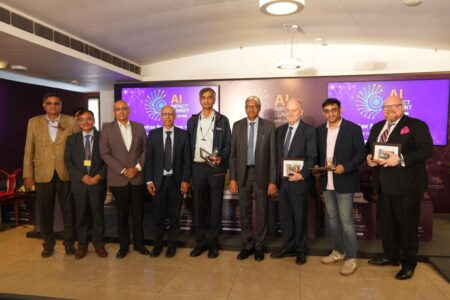
New Delhi: India is on track to emerge as a leading producer of Sustainable Aviation Fuel by the end of the decade, supported by a strong resource base and expanding aviation market, according to a new report released by FICCI and KPMG on Thursday. With the country expected to move from the world’s fifth-largest aviation market to the third by 2030, the study outlines a clear pathway for India to take a central role in global SAF supply.
The report highlights India’s substantial availability of feedstock, including more than 680 million metric tonnes of agricultural residue, 3.4 million metric tonnes of used cooking oil, and over 1,800 crore litres of ethanol production capacity. This combination, it said, places India in an advantageous position to scale up SAF production while supporting rural economies and reducing dependence on imported fuel.
Sustainable Aviation Fuel can lower lifecycle emissions by as much as 80 percent, making it one of the most impactful near-term tools available to decarbonise aviation. The report points to the government’s phased blending targets 1 percent by 2027, 2 percent by 2028 and 5 percent by 2030 as key drivers that will accelerate industry-wide adoption.
Beyond its environmental benefits, the report emphasises the economic upside. Increased SAF production could save billions in fuel imports, generate large-scale green jobs, and raise earnings for farming communities through the sale of waste and agricultural by-products. India is also well placed to export SAF to high-value markets such as the European Union, Japan, Singapore, and the Middle East.
The study stresses the need for coordinated action across government agencies, investors, technology providers, oil marketing companies, and airlines. Experts involved in the report noted that India’s progress will depend on building efficient supply chains, ensuring long-term purchase agreements, and aligning policy incentives with industry needs. They said India’s wide range of biomass and waste-derived feedstock provides a strong foundation for scaling production, provided the right frameworks are put in place.
The report concludes that with timely decisions and structured collaboration, India can secure a leadership position in the global transition toward cleaner aviation fuels.