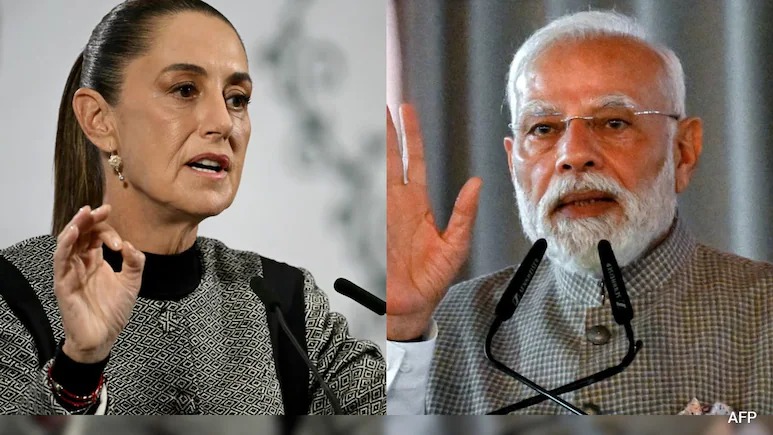
New Delhi: India has proposed a preferential trade agreement with Mexico as a swift response to steep import tariff increases that are set to affect a wide range of Indian exports. The move is aimed at providing relief to domestic exporters facing higher duties after Mexico decided to revise its import regime for countries without free trade agreements.
Mexico has approved an increase in most favoured nation import tariffs ranging from about 5 per cent to as high as 50 per cent on more than 1,400 product categories. The revised duties, which will come into effect from January 1, 2026, apply to several countries that do not have trade agreements with Mexico, including India. The policy is framed within World Trade Organisation rules, meaning affected trading partners cannot formally challenge the decision.
In response, India has initiated discussions to explore a preferential trade agreement, which allows for reduced or zero duties on a selected list of products. This route is being pursued as a faster alternative to a comprehensive free trade agreement, which typically requires longer negotiations and broader market access commitments. The objective is to secure tariff concessions critical to Indian supply chains while offering reciprocal benefits in areas of Mexican export interest.
Preliminary assessments indicate that the tariff hike could impact around USD 2 billion worth of Indian exports to Mexico. Sectors likely to be most affected include automobiles, two wheelers, auto components, textiles, iron and steel, plastics, leather and footwear. The measure is also designed to address trade imbalances and support domestic manufacturing in Mexico, with a parallel focus on limiting imports from China.
Bilateral merchandise trade between India and Mexico stood at USD 8.74 billion in 2024. India exported goods worth USD 5.73 billion while imports totalled USD 3.01 billion, resulting in a trade surplus of USD 2.72 billion in India’s favour. The new tariff structure threatens to erode competitiveness in several Indian manufacturing sectors and disrupt supply chains built over years.
The Indian government has been closely monitoring the developments, consulting stakeholders and engaging Mexican counterparts to safeguard exporter interests. Industry representatives have flagged concerns that the sharp duty increases could raise costs for Indian manufacturers, particularly in the auto and engineering segments, and have underlined the urgency of accelerating a structured trade arrangement to ensure stability for businesses and consumers in both markets.