New Delhi: India has taken a firm diplomatic stand by rejecting the authority of the Permanent Court of Arbitration in The Hague over the long running dispute linked to the Indus Waters Treaty. As hearings continue in the Netherlands, the Indian government has declared that the tribunal was illegally constituted and that its recent directions, including requests for operational information on hydroelectric projects, are void and not binding.
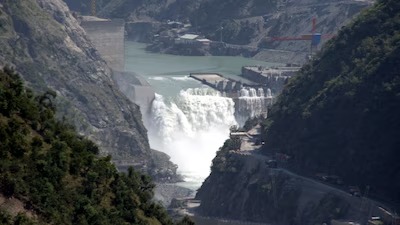
The latest confrontation arose after the court sought detailed records from the Kishanganga and Ratle power projects in Jammu and Kashmir. India has refused to provide the information, stating that it does not recognise the jurisdiction of the arbitration panel. Officials indicated that the Ministry of External Affairs has formally communicated this position and confirmed that India will neither participate in the proceedings nor comply with any orders issued by the tribunal.
New Delhi maintains that the creation of a separate Court of Arbitration violates the sequential dispute resolution mechanism laid down in the treaty. India had favoured the appointment of a neutral expert to address technical concerns, but Pakistan pursued a parallel legal process at The Hague. The government argues that this move undermines the original framework agreed by both countries.
India has also linked its position to broader national security considerations. Following the terror attack in Pahalgam in April 2025, the government announced that it was placing the treaty in abeyance under its sovereign rights. Officials said that until security concerns are addressed and cross border terrorism is halted, India is not obliged to fulfil treaty commitments such as sharing hydrological data or engaging in arbitration.
The decision signals a major shift in India’s approach to water cooperation with Pakistan. Mandatory exchanges on river flow and flood related information have been put on indefinite hold, reflecting the view that strategic security cannot be separated from treaty obligations.
Pakistan has portrayed the ongoing hearings as a procedural success, but India has dismissed the exercise as politically motivated. The dispute has now moved beyond technical questions of engineering and entered the realm of sovereignty and international law. New Delhi has made it clear that no external body can question decisions taken within its territory while the treaty itself remains effectively suspended due to continuing provocations.
Sorry, there was a YouTube error.