New Delhi: In a strategic move, India has opted not to retaliate against the recent 26% tariffs imposed by the United States, instead choosing to focus on ongoing trade deal negotiations. This decision positions India favorably as one of the first nations to engage in talks with Washington, edging out peers like China and Vietnam who face even higher tariffs. As the global trade landscape shifts, India’s approach underscores its commitment to leveraging diplomatic channels for economic benefits.
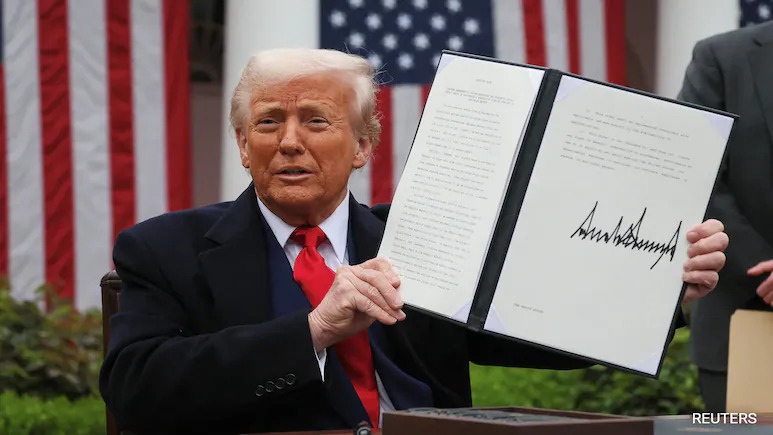
India’s decision to forgo retaliation against the U.S. tariffs stems from its ongoing discussions for a trade deal with Washington. The Indian government is actively exploring a clause in Trump’s tariff order that could offer relief for trading partners willing to address non-reciprocal trade practices. By being ahead of the curve in these negotiations, India places itself in a more advantageous position compared to other Asian countries that have been hit with higher U.S. tariffs.
Joining other nations like Taiwan and Indonesia in ruling out countermeasures, India diverges from the European Commission’s plan to impose additional duties on U.S. products. This aligns with India’s February agreement with the U.S. to finalize an early trade deal by autumn 2025, aimed at resolving their standstill on tariffs. Reuters reported that India is open to reducing tariffs on U.S. imports valued at approximately $23 billion.
However, Trump’s tariffs could have a detrimental effect on India’s economy, potentially slowing its growth by 20 to 40 basis points in the current financial year. The diamond industry, which exports over a third of its products to the U.S., could be particularly affected, putting thousands of jobs at risk.
Sorry, there was a YouTube error.