Washington: An Indian national has admitted in a United States federal court that he was involved in a murder-for-hire conspiracy to kill a separatist activist, acknowledging his role in a plot that drew international attention and raised concerns about cross-border threats.
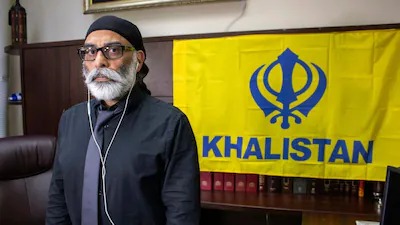
Nikhil Gupta entered a guilty plea before a US federal judge, accepting that he participated in a scheme to arrange the killing of Gurpatwant Singh Pannun, a prominent activist based in the United States. Gupta’s admission followed months of legal proceedings in which prosecutors laid out allegations that he worked to facilitate the planned assassination.
According to court proceedings, Gupta acknowledged that he agreed with others to orchestrate the killing and took steps to identify and contact individuals who could carry out the act. Prosecutors said the plan involved discussions over payments and operational details, pointing to a structured attempt to execute the conspiracy.
By pleading guilty, Gupta has formally accepted responsibility for his involvement in the plot. The case, which unfolded in a US federal court, is being treated as a serious criminal conspiracy under American law. Authorities have maintained that such offences carry severe penalties, particularly when they involve transnational elements and targeted violence.
The broader investigation examined how the alleged plot was conceived and whether additional individuals played roles in planning or facilitating it. While Gupta’s plea resolves a significant part of the prosecution’s case against him, questions remain about the scope of the conspiracy and whether further legal action could follow.
Legal experts note that guilty pleas in federal cases often come after negotiations between defence attorneys and prosecutors. Sentencing will be determined at a later stage, with the court considering various factors, including the nature of the offence and Gupta’s level of participation.
The case has attracted attention beyond the courtroom, with observers highlighting the implications of a murder-for-hire scheme allegedly targeting a political activist residing in the United States. It has also prompted discussion about the security of activists abroad and the seriousness with which US authorities treat threats involving foreign nationals.
Gupta’s legal counsel confirmed his client’s decision to plead guilty but refrained from offering extensive public comment. Prosecutors, meanwhile, reiterated that the justice system would pursue accountability for any attempt to use violence as a means of settling political or ideological disputes.
As the matter moves toward sentencing, the focus will shift to the penalties Gupta may face and whether the investigation uncovers additional evidence or participants linked to the conspiracy. The guilty plea marks a decisive turn in a case that has carried legal, diplomatic and security implications since it first came to light.