New Delhi: In a dramatic revelation from Operation Sindoor, it has come to light that the Indian Navy had been placed on high alert and assigned target packages for land and sea strikes deep within Pakistan. Despite being ready to fire a range of powerful missile systems, including the BrahMos and submarine-launched cruise missiles, the final green signal to launch was never given.
Sources confirmed that the Navy was moments away from launching an aggressive missile barrage on key Pakistani military targets, including warships and submarines docked at Karachi harbour. The strike would have marked a significant escalation in the conflict, but the operation was ultimately held back, avoiding a wider naval confrontation.
Warships and submarines were strategically deployed, armed and prepared to unleash a mix of anti-ship and land-attack missiles. The submarine-launched weapons were believed to include Russian-origin Klub series cruise missiles, integrated with India’s ‘Kilo’ Class submarines. These precision strike platforms were aimed at crippling Pakistan’s naval capability while also targeting strategic land installations.
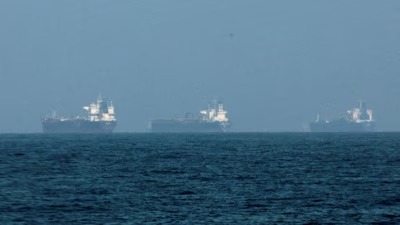
During the tense standoff, Pakistan’s naval forces, notably its frontline frigates and corvettes, remained confined within the safety of their harbours. These vessels, it is now known, were vulnerable to destruction at port had the Indian Navy received the directive to fire.
Although the Navy’s seaborne units did not engage in missile strikes, land-based naval weapons systems were activated and reportedly used to target multiple terror facilities inside Pakistan. The exact nature and scale of these weapons remain classified, but their use underscored India’s multi-dimensional military response.
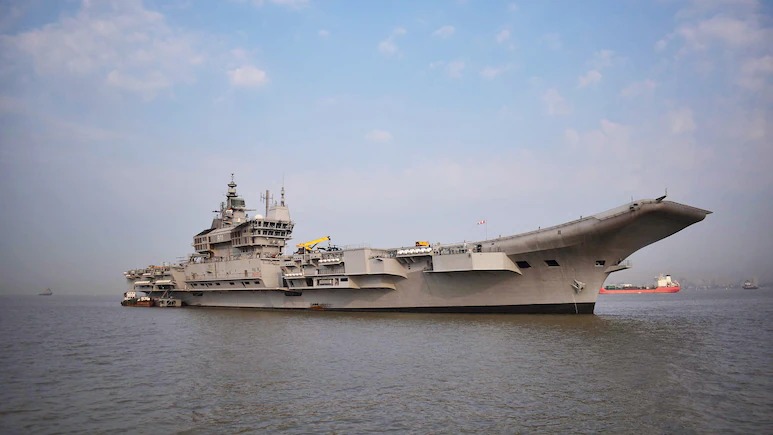
Dominating the North Arabian Sea, India’s aircraft carrier INS Vikrant played a pivotal role. Supported by its battle group and MiG-29K fighter jets, Vikrant maintained aerial superiority over the southern Pakistani coastline, effectively neutralising any Pakistani air threat in the region.
This naval deterrence was further reinforced when a lone Pakistani maritime surveillance aircraft, a RAS-72 Sea Eagle—a military variant of the ATR-72—attempted to venture into Indian-monitored waters shortly after hostilities ended. The aircraft was swiftly intercepted by MiG-29Ks launched from INS Vikrant, which closed in to within a few hundred metres. The Pakistani aircraft was forced to retreat immediately to its coastline.
Operation Sindoor, which took place between May 6 and 7, was a coordinated series of missile and air strikes by Indian armed forces. The mission targeted at least nine terror infrastructure hubs in Pakistan and came as a direct retaliation for the horrific April 22 terrorist attack in Pahalgam, where 26 innocent civilians were gunned down.
The restrained but calculated posture of the Indian Navy during the operation sends a strong signal of India’s preparedness and capability while also reflecting the high-level strategic decision to avoid escalation into full-scale war.
Sorry, there was a YouTube error.