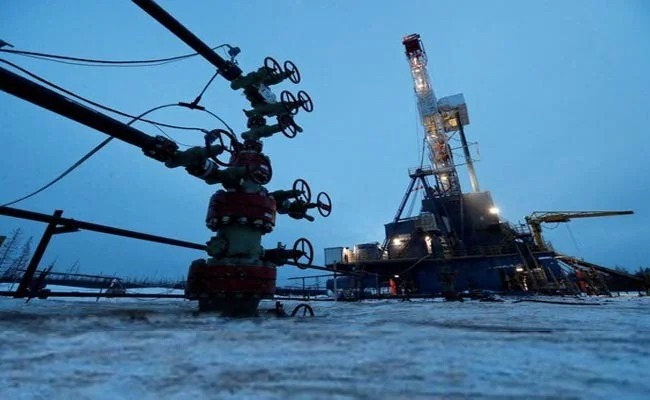
New Delhi: India imported crude oil worth nearly 144 billion euros from Russia after the Ukraine war began in February 2022, making it the second largest buyer of Russian oil globally, behind China. The scale of these purchases highlights how global energy flows have shifted following Western sanctions on Moscow, even as Russia continues to earn massive revenues from fossil fuel exports.
Since the start of the conflict, Russia’s total earnings from global fossil fuel sales have crossed one trillion euros. China has been the biggest contributor, purchasing oil, coal and gas worth close to 294 billion euros over the same period. India’s total fossil fuel imports from Russia stood at around 162.5 billion euros, including nearly 144 billion euros of crude oil and over 18 billion euros of coal.
The European Union, despite imposing embargoes, has also spent more than 218 billion euros on Russian fossil fuels since the war began. While EU imports of crude oil and refined products declined sharply after bans introduced in late 2022 and early 2023, gas imports remain unsanctioned and continue to form a major share of purchases. A limited number of EU countries have continued importing Russian crude through pipeline exemptions.
India, the world’s third largest oil importer, significantly increased its reliance on Russian crude after Western nations reduced purchases. Traditionally dependent on Middle Eastern suppliers, India capitalised on discounted Russian oil, with Russia’s share in India’s crude basket rising from under one percent before the war to nearly 40 percent at its peak. At one point, Russia supplied about 35 percent of India’s total crude imports.
However, Russia’s share in Indian oil purchases has declined in recent months following fresh US sanctions on major Russian exporters. Several Indian refiners have paused imports, leading to a drop in daily purchases. Russia’s share has now fallen below 25 percent and may reduce further as market adjustments continue.
Despite sanctions, Russian oil continues to reach global markets through alternative routes, including a growing shadow fleet and the sale of refined products made from Russian crude. While some countries have restricted such imports, others have not announced bans.
The evolving energy trade underscores the complexity of sanctions enforcement and the continued dependence of major economies on Russian fossil fuels amid geopolitical tensions.
Sorry, there was a YouTube error.