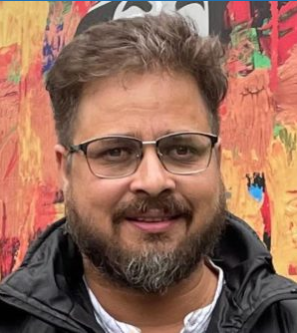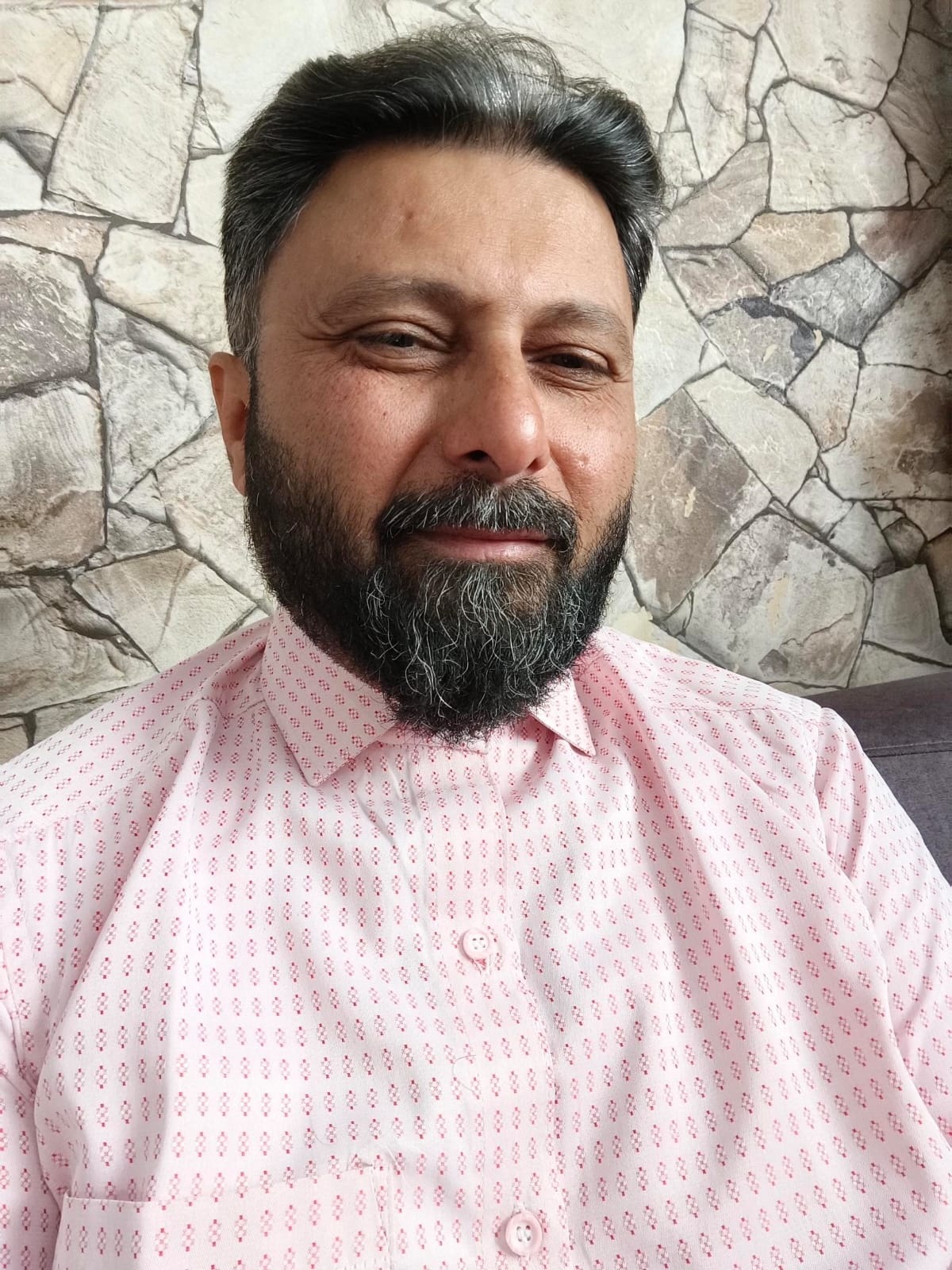
Irfan Iqbal Gheta
The date April 22, 2025, is now deeply etched in the collective memory of every Indian. On that tragic day, the serene valley of Kashmir—particularly the idyllic hill station of Pahalgam, known for its lush beauty and peaceful ambiance—was shattered by unspeakable violence.
Gunmen belonging to Pakistan-based, Pakistan-backed, and Pakistan-sponsored terror outfits turned a haven of harmony into a site of horror. These terrorists, armed with automatic weapons, brazenly asked tourists for their religious identities before mercilessly executing 26 innocent lives—many of them honeymooning couples, their dreams cut short by hatred.
India was stunned. But not for long.
Under the decisive leadership of Prime Minister Narendra Modi, India responded with strength and clarity. Operation Sindoor, launched on May 7, 2025, sent a clear message: India would neither forget nor forgive. The mission successfully targeted and dismantled terrorist infrastructure deep inside Pakistan, without plunging the region into all-out war.
What followed was an equally remarkable chapter—India’s diplomatic offensive. The Modi-led government worked swiftly to activate global support, dispatching articulate Members of Parliament from across party lines to major world capitals. Their goal was simple but urgent: to make the world understand that Operation Sindoor was not aggression, but self-defense—a necessary answer to the Pahalgam Massacre.
This tireless outreach bore fruit.
In a significant and hard-earned diplomatic win, the United States—after nearly three months of consistent engagement—officially designated The Resistance Front / Kashmir Resistance Front, a proxy of Lashkar-e-Taiba (LeT), as a Foreign Terrorist Organization.
US Secretary of State Marco Rubio, echoing President Donald Trump’s firm stance, described the move as part of the administration’s “Call for Justice for the Pahalgam Attack.” The Indian Embassy in Washington, D.C., welcomed the designation, reaffirming the strength of Indo-US counter-terrorism cooperation.
This is nothing short of a strategic triumph for India—a nation that has long suffered the scourge of cross-border terrorism. Pakistan, which only a month ago seemed emboldened after Field Marshal Asim Munir’s high-profile meeting with President Trump, now finds itself cornered diplomatically and morally.
The success of this multi-pronged strategy—military precision combined with diplomatic outreach—highlights the formidable synergy of the Modi-Jaishankar-Doval triad. The calculated use of drone intelligence, the power of parliamentary diplomacy, and the patient pressure on world powers all came together on a global chessboard, delivering a checkmate to terror.
India has spoken—not just with force, but with conviction and clarity.
Well-played, indeed.