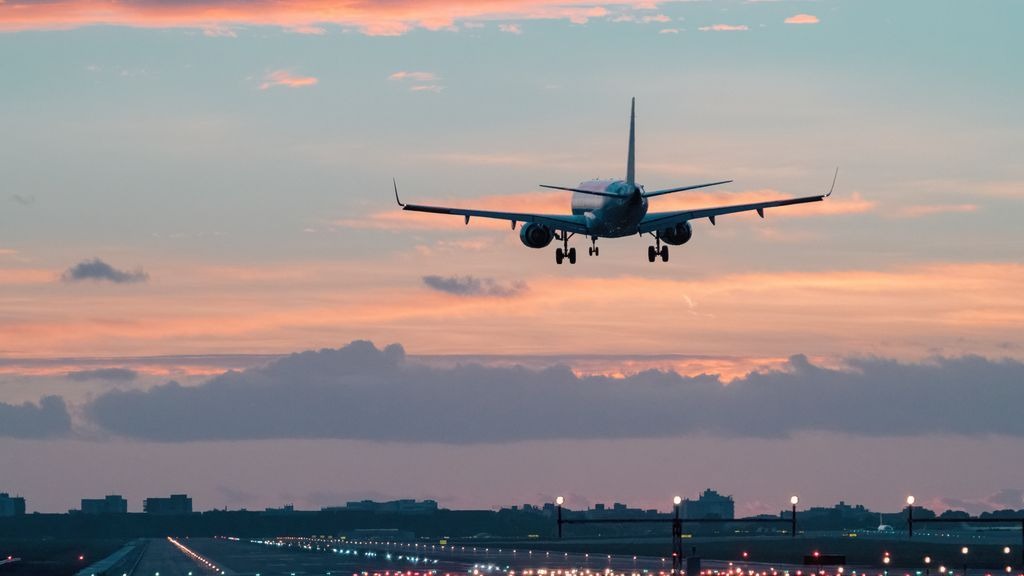
New Delhi: The government has informed Parliament that six major domestic airlines collectively employ 13,989 pilots, reflecting the scale and operational requirements of India’s growing aviation sector. Air India accounts for the largest share with 6,350 pilots, followed by Air India Express with 1,592. IndiGo, the country’s biggest airline by market share, employs 5,085 pilots.
Among other carriers, Akasa has 466 pilots and SpiceJet has 385, while the state-run Alliance Air employs 111. The Ministry of Civil Aviation noted that hiring levels across airlines are guided by market conditions and operational needs.
According to the ministry, airlines sometimes recruit foreign pilots to meet specific fleet or aircraft-type requirements, particularly during rapid expansion phases or when there are time-bound operational demands.
The government also highlighted continued growth in the country’s flying training ecosystem. Flying training organisations are steadily modernising their fleets, supported by the induction of 61 new training aircraft up to November. In addition, the civil aviation regulator has approved two new training organisations this year. India now has 40 such institutions operating across 62 locations, providing a broad base for pilot training.
The Directorate General of Civil Aviation aligns its training standards with global norms under the International Civil Aviation Organization. The regulator conducts regular assessments to ensure the quality and adequacy of training, backed by an annual surveillance plan. Special audits and on-the-spot inspections are carried out whenever necessary.
Officials reiterated that while the modernisation of training infrastructure is primarily driven by commercial considerations, regulatory oversight remains strict. The ongoing expansion of training capacity and adherence to international standards are seen as key to supporting the aviation sector’s long-term growth and addressing the rising demand for skilled pilots.
Sorry, there was a YouTube error.