New Delhi: India has achieved a major milestone in its civil nuclear energy programme as the Prototype Fast Breeder Reactor at Kalpakkam in Tamil Nadu attained criticality, marking the beginning of a sustained nuclear fission chain reaction and bringing the project closer to full power generation.
Announcing the development, Narendra Modi described the achievement as a defining moment in India’s nuclear journey and a significant step forward in advancing the country’s long term atomic energy programme.
In nuclear science, criticality refers to the stage when a reactor achieves a self sustaining chain reaction. At this point, the number of neutrons produced during fission is sufficient to maintain the reaction without external support. Although it does not mean the reactor is operating at full power yet, it is one of the most crucial stages before commercial electricity generation begins.
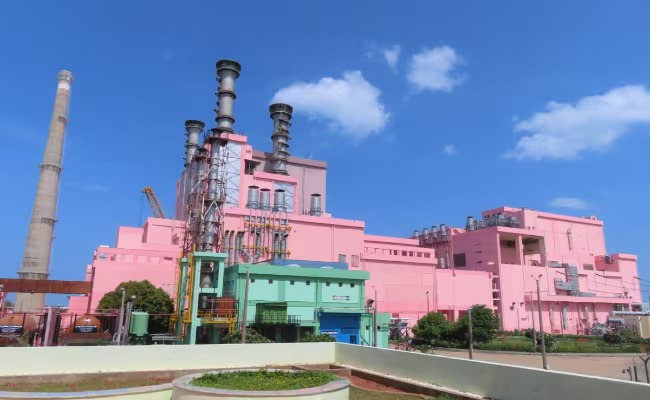
The 500 megawatt sodium cooled fast breeder reactor has been developed and is operated by Bharatiya Nabhikiya Vidyut Nigam Limited under the Department of Atomic Energy at the Indira Gandhi Centre for Atomic Research campus in Kalpakkam. The project has taken more than two decades to develop and represents one of the most complex engineering efforts undertaken in India’s nuclear sector.
Ajit Kumar Mohanty, chairman of the Atomic Energy Commission, said the milestone signals India’s entry into the second stage of the country’s three stage nuclear power programme envisioned by Homi Jehangir Bhabha.
Unlike conventional reactors that mainly consume uranium, fast breeder reactors use plutonium fuel and are designed to produce more fissile material than they consume. By converting uranium 238 into plutonium 239, they create additional fuel while generating energy, making them a powerful tool for long term energy security.
The second stage of India’s nuclear programme uses plutonium produced in pressurised heavy water reactors to power breeder reactors. The spent fuel is then reprocessed and recycled, paving the way for the third stage that will rely on thorium based reactors. India holds some of the world’s largest thorium reserves, making this long term strategy crucial for future energy independence.
The milestone also aligns with India’s broader clean energy goals. The government has outlined plans to expand nuclear power capacity to 100 gigawatts by 2047 as part of its strategy to strengthen energy security and reduce carbon emissions.
Sorry, there was a YouTube error.