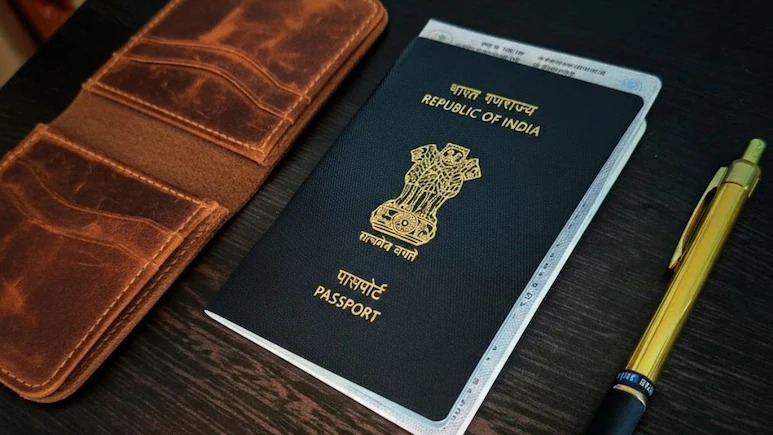
Mumbai: India’s passport has gained ground in a key global ranking this year, climbing 10 places in terms of travel freedom. However, despite this overall improvement, Indian travellers have seen visa-free entry privileges reduced in two countries, tightening travel protocols for holders of Indian passports.
The latest international mobility index, which measures the number of destinations citizens can access without pre-arrival visas, shows that Indians can now travel to more countries than before without prior visa arrangements. The increase in ranking reflects diplomatic efforts to expand travel options for Indian travellers and greater acceptance of Indian passports worldwide.
Yet at the same time, two countries have recently rescinded their visa-free entry arrangements for Indian nationals. These changes mean that travellers from India now have to apply for visas in advance to visit those destinations, adding steps to planning and travel. The shift has prompted concern among frequent travellers, business visitors and tourism stakeholders who had grown accustomed to simpler entry procedures.
Officials tracking global passport strength said the overall improvement is a positive sign for India’s international mobility, but they also noted that the loss of visa-free access in specific cases highlights ongoing challenges in global travel diplomacy. Travel experts said such changes can be influenced by a range of factors, including evolving security assessments, reciprocal visa policies and bilateral engagement.
For Indian passport holders, the effect of losing visa-free access in the two countries will be felt most immediately by those with established travel patterns to those locations. Tourists, students and business travellers who had relied on visa-free entry will now have to navigate formal visa processes, submit documentation and await approvals before planning trips.
Diplomats and foreign policy analysts said the contrasting developments — a higher passport ranking but reduced entry ease in a couple of destinations — underscore the complexity of visa diplomacy. While a jump in ranking can open doors to more countries overall, individual bilateral decisions can still create new hurdles.
Industry groups representing travel and tourism have urged relevant authorities to engage with the countries that changed their visa policies, seeking clarity on the reasons behind the decisions and exploring ways to restore simpler entry arrangements. They said that facilitating travel for Indian passport holders has wider economic benefits, including tourism revenue and business linkages.
The government has previously highlighted efforts to expand visa-free access through negotiations and reciprocal agreements. It remains to be seen whether diplomatic outreach will succeed in reversing the recent changes or forging new pathways that further enhance travel freedom for Indians.
As global travel resumes post-pandemic and international mobility becomes a key feature of personal and professional life, passport strength remains an important indicator of a nation’s connectivity. For Indian travellers, the dual reality of a stronger passport and fewer visa-free options in some cases reflects both progress and ongoing evolution in international travel norms.
The full details of the updated visa-free list and the specific countries that altered their entry rules are being closely watched by stakeholders across travel, education and commerce sectors, all of whom stand to feel the impact of changing visa regimes in different ways.