PANAJI: The tragic death of a young woman in a late-night road accident in Goa should have triggered outrage, debate, and an uncompromising demand for justice. Instead, what stands out is an uncomfortable silence. It is the kind of silence that raises more questions than answers.
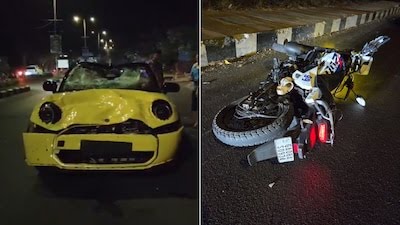
A speeding luxury car, allegedly driven by a young man from an influential family, crashes into a two-wheeler, killing a 23-year-old woman and critically injuring another. The circumstances are deeply disturbing. Yet, the public response has been muted. There are no widespread protests, no sustained public pressure, and no visible urgency in demanding accountability. Why?
One cannot ignore the possibility that influence plays a role. When ordinary citizens are involved in such incidents, outrage is swift and unforgiving. Arrests are demanded, negligence is condemned, and justice becomes a rallying cry. But when the accused belongs to a powerful background, the narrative often softens, and the scrutiny weakens. This double standard erodes public trust in the system.
Several aspects of this case demand serious attention. It has emerged that the vehicle bore a temporary (TC) registration, which is strictly meant only for transportation from one place to another. It is not legally permitted for regular use on public roads, especially not for late-night driving. How, then, was such a vehicle being driven at midnight? Who authorised its use? This is not a minor procedural lapse but a clear violation of the law.
Equally crucial is the question of whether the driver was under the influence of alcohol. What were the results of the alcohol test? Why have these details not been clearly placed in the public domain? In cases of this magnitude, transparency is essential. Any delay or ambiguity only deepens suspicion.
The silence of the police is equally troubling. Why has there been no detailed briefing to the media? Why has the victim’s family not been fully informed of the progress of the investigation? In a democratic system, law enforcement agencies are accountable not just for action, but for communication. A lack of transparency fuels doubt and erodes confidence.
Responsibility cannot rest solely on the driver. If a young individual had access to such a vehicle under questionable circumstances, then accountability must extend to the family. Parents or guardians cannot escape scrutiny if negligence or tacit approval contributed to the chain of events. The law must examine whether there was a failure of responsibility at multiple levels.
The role of the showroom or dealership also comes under question. Allowing a vehicle with only a temporary registration to be used beyond its permitted purpose is a serious breach. If such practices are occurring, they must be investigated and penalised. Rules governing vehicle delivery exist for a reason, and any deviation cannot be brushed aside as routine.
Beyond legalities, there is a moral dimension that cannot be ignored. A young life has been lost. No amount of compensation can make up for that loss. Justice, in this case, must not be reduced to financial settlements or quiet closures. It must be visible, firm, and uncompromising.
The silence surrounding this incident is perhaps the most troubling aspect. It reflects a society that is increasingly hesitant to question power. When voices fall quiet in the face of influence, justice becomes fragile.
This is not just about one accident. It is about the message that is sent when accountability appears selective. If the law is seen to bend for some and tighten for others, it loses its credibility. And once that credibility is lost, it is difficult to restore.
Goa cannot afford to look away. This case demands answers, not silence. It demands accountability, not excuses. Above all, it demands a reminder that justice must never depend on who you are or who your family is.
If this moment passes without scrutiny, it will set a dangerous precedent. The cost of that precedent will not be borne by the powerful, but by ordinary citizens who rely on the law for protection.
Justice cannot be selective. And silence cannot be allowed to replace it.