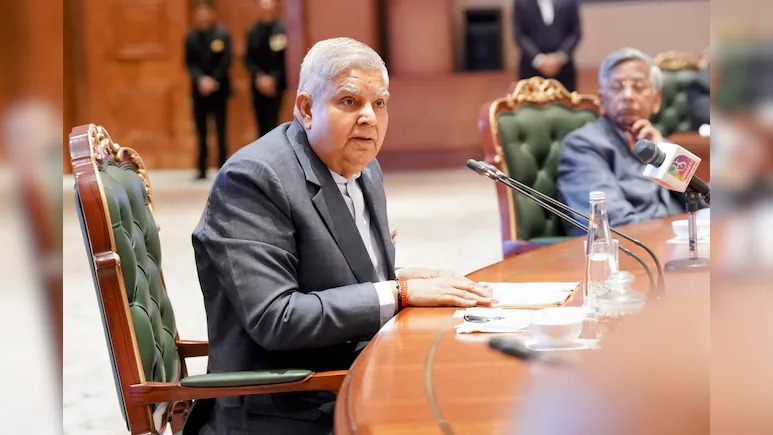
New Delhi: Vice President Jagdeep Dhankhar’s sudden resignation has sent shockwaves through political and constitutional circles. Officially attributed to health reasons, the move is widely seen as the result of deepening tensions between Dhankhar and the Modi government, with insiders pointing to a breakdown in trust and a widening rift over the past year.
When Dhankhar was elevated to the Vice Presidency in 2022, he was viewed as a loyalist of the Modi government — assertive, articulate, and politically sharp. His tenure as Governor of West Bengal, marked by frequent clashes with Chief Minister Mamata Banerjee, had already earned him the image of a combative constitutional authority. His appointment was seen as a reward for his aggressive posturing.
However, by mid-2024, Dhankhar’s tone had noticeably shifted. What began as a few disagreements over protocol and procedural matters escalated into a full-blown power struggle. Sources told NDTV that the turning point came when he refused to align with the government’s position on the impeachment of Justice Yashwant Varma. Ministers met him repeatedly before the Monsoon Session, urging him to delay action and wait for ruling party MPs to join the motion. Instead, Dhankhar went ahead — allegedly influenced by a senior Congress leader — and accepted the Opposition’s signatures to move forward with the motion.
Government insiders say Dhankhar began asserting privileges that, while constitutionally permissible, were politically uncomfortable. He demanded President-level perks, including access to luxury vehicles, aircraft, and greater autonomy in appointments. “He took himself very seriously,” said a senior official. “He failed to understand that the independence of the office is tied to the political backing behind it.”
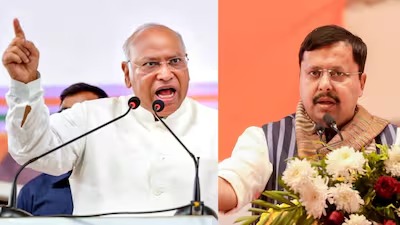
Tensions reached a boiling point during a heated exchange in the Rajya Sabha, where Dhankhar allowed Opposition Leader Mallikarjun Kharge to speak on the Pahalgam terror attack while silencing BJP leader JP Nadda with a wave of the hand. Even seasoned ministers, including Arjun Ram Meghwal and Kiren Rijiju, attempted last-minute interventions to broker peace — but Dhankhar stood firm.
In response, sources say, the ruling coalition began mobilising an impeachment motion against Dhankhar himself — not necessarily to go through with it, but to pressure him into stepping down. Later that day, he made an unannounced visit to Rashtrapati Bhavan, reportedly in a final attempt to salvage the situation, but he was made to wait for over 30 minutes — a sign, many believe, that his exit had already been sealed.
Observers note that Dhankhar’s transformation began after the Opposition moved a no-confidence motion against him in December 2024 — the first ever against a Rajya Sabha Chairman. Though the motion was defeated, the episode reportedly shook him. He began reaching out to Opposition leaders, caste groups, bar councils, and legal circles, often criticising the government behind closed doors.
His insistence on being treated as a peer to the US Vice President during JD Vance’s visit — citing parity between their offices — further aggravated the ruling establishment. “It was futile explaining the difference in systems,” a source remarked.
Dhankhar’s resignation speaks volumes about the Modi government’s expectations from top constitutional posts: loyalty and predictability over independence. The BJP, known for acting swiftly against perceived internal dissent — from replacing chief ministers to denying election tickets — found Dhankhar’s growing assertiveness unacceptable.
“He wasn’t a backbencher you could simply discipline,” said a senior BJP functionary. “He was handpicked, highly capable, and respected across parties — which made it all the more difficult.”
Ultimately, the episode underscores a shrinking space for constitutional autonomy in Indian politics. Whether Dhankhar misread the room or genuinely believed in the independence of his office, his assertiveness turned into a liability the system was unwilling to carry.
The resignation ends a dramatic chapter in India’s constitutional history — and raises uncomfortable questions about the limits of dissent within the very heart of power
Sorry, there was a YouTube error.