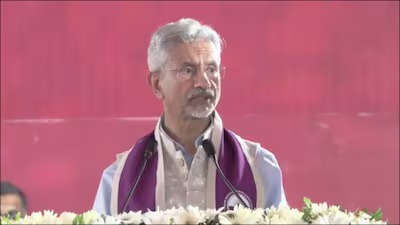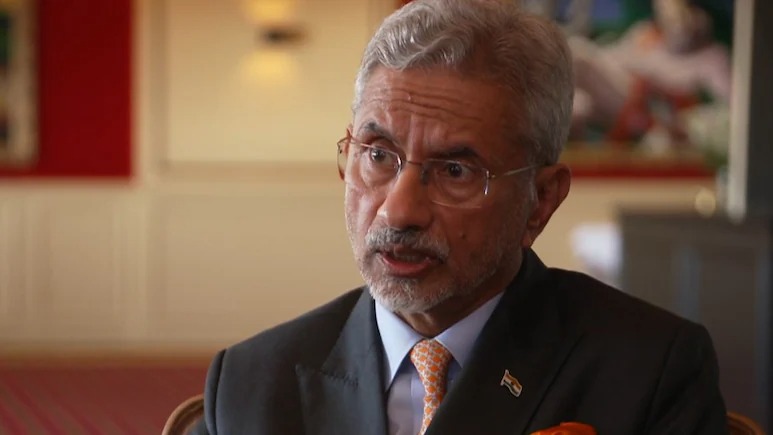
NEW DELHI: External Affairs Minister Dr. S. Jaishankar has addressed growing concerns over a proposed U.S. sanctions bill that could impose a staggering 500% tariff on imports from countries continuing trade with Russia, including India and China. Speaking at a press conference in Washington on Wednesday, Jaishankar said India is engaging with American lawmakers and will respond as the situation evolves. “We’ll cross that bridge when we get there,” he remarked.
The controversial legislation, introduced by Republican Senator Lindsey Graham, targets nations purchasing Russian oil and other goods in the aftermath of Russia’s 2022 invasion of Ukraine. The bill aims to pressure countries like India and China, which have ramped up energy imports from Moscow, to stop supporting Russia’s war economy and push President Vladimir Putin toward peace negotiations.
“Any development in the U.S. Congress that impacts or could impact Indian interests is something we watch closely,” Jaishankar said, adding that India has communicated its energy and security concerns directly to Senator Graham. “We’ve made our position clear,” he noted.
The proposed legislation, currently backed by 84 U.S. lawmakers, would empower the U.S. President to levy a 500% import tariff on goods from countries that continue to buy Russian oil while not aiding Ukraine. Senator Graham claims this aggressive measure is necessary to cripple Putin’s war efforts and would also give former President Donald Trump “a tool” to negotiate peace if he returns to office.
“India and China buy 70% of Putin’s oil. They’re funding his war machine,” Graham said in an interview with ABC. “If you’re buying products from Russia and not helping Ukraine, this bill allows the president to slap a 500% tariff on your exports into the United States.”
Notably, the bill includes provisions allowing the U.S. President to waive or modify the tariffs, offering some diplomatic flexibility if the legislation passes.
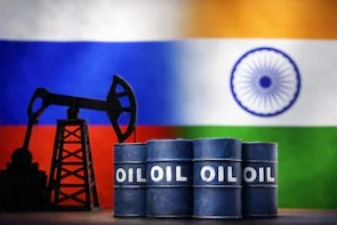
India, the world’s third-largest oil importer, significantly increased its purchases of discounted Russian crude after the Ukraine invasion in February 2022. Prior to the war, Russian oil made up less than 1% of India’s imports. Today, it accounts for nearly 40–44% of the country’s crude supply. In May alone, India imported approximately 1.96 million barrels of Russian oil per day, and that figure was projected to reach up to 2.2 million barrels in June — the highest in two years.
For India, this strategic move has been rooted in economic pragmatism. With oil available from Russia at a steep discount compared to other global sources, Indian refiners saw an opportunity to stabilize domestic prices amid volatile global markets.
If passed and implemented, the U.S. sanctions bill could have severe repercussions on India’s trade, especially exports to the American market. A 500% tariff could render Indian products uncompetitive in the U.S., threatening sectors like textiles, pharmaceuticals, and IT services. However, India and the U.S. are also working on a broader trade agreement that could reduce existing tariffs and foster greater economic cooperation, potentially softening the impact of such punitive measures.
Despite the looming threat, New Delhi remains cautious in its public response. India has consistently advocated for a multipolar world order and maintained strategic autonomy in its foreign policy. It has also refrained from taking sides in the Russia-Ukraine conflict while emphasizing the importance of dialogue and diplomacy.
For now, Jaishankar’s measured tone reflects India’s intent to manage tensions through engagement rather than confrontation. But with U.S. domestic politics heating up ahead of elections and global geopolitics in flux, the road ahead remains uncertain.
“If we come to that point, we’ll deal with it,” Jaishankar reiterated, signaling that India will continue to pursue its national interests while navigating the complexities of global diplomacy.
Sorry, there was a YouTube error.