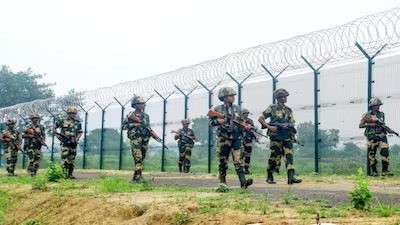
New Delhi: The relationship between India and Pakistan has been marked by a series of high-stakes events, but none as pivotal as the 2008 Mumbai terror attacks. External Affairs Minister S Jaishankar highlighted this moment as a turning point where India’s perception of Pakistan shifted irreversibly. This change in dynamics is attributed to India’s evolution under the leadership of Prime Minister Narendra Modi, who has fostered significant growth and reform, in stark contrast to Pakistan’s perpetuation of “bad habits.”
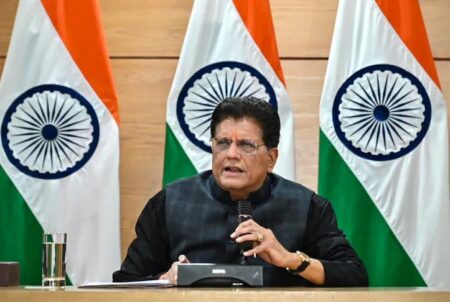
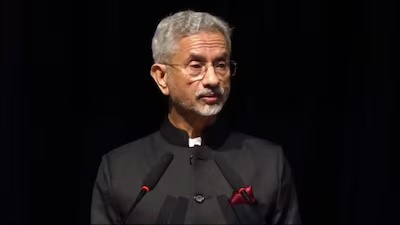
Speaking at Charotar University of Science and Technology in Gujarat, S Jaishankar elaborated on the impact of the 2008 attacks. He emphasized that the event marked a collective realization among Indians across all political parties that such provocations from a neighboring country could no longer be tolerated. Jaishankar also criticized Pakistan for continuing its negative approach towards India.
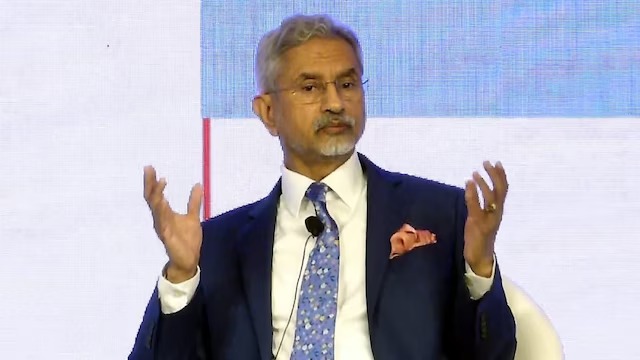
Beyond the bilateral context, Jaishankar emphasized India’s efforts to expand its global influence through partnerships like BIMSTEC and BRICS. He further highlighted other strategic alliances such as the Quad, involving the US, Australia, and Japan, and the Voice of Global South, which includes over 120 developing countries. These engagements underscore India’s strategy to maximize its international platforms and opportunities in a highly competitive global landscape.
Jaishankar’s comments reflect India’s broader diplomatic initiative under Prime Minister Modi, focused on diversifying partnerships and enhancing its global standing. By engaging with multiple international groupings, India aims to secure a wide range of options that can leverage its economic, political, and strategic interests in the world.
Sorry, there was a YouTube error.